
Why GPS Trackers Fall Short in Recovering Stolen Vehicles
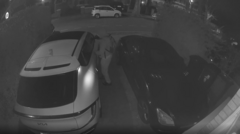
Discover why vehicle tracking systems often fail to recover stolen cars. Experts reveal the legal and technical limitations of GPS trackers in theft prevention.
The Reality Behind Vehicle Tracking Systems
Stolen vehicle tracking systems have long been promoted as an effective solution for recovering stolen cars, yet experts consistently warn that relying solely on these devices may provide false security. While GPS trackers and location tracking technology sound promising, the reality is considerably more complex. Major manufacturers, including Kia, have disclosed to media outlets that legal restrictions significantly limit how stolen vehicle tracking systems can function in real-world theft scenarios.
The promise of vehicle tracking systems has captivated consumers for years. Marketing campaigns suggest that if your car is stolen, a simple activation of a tracking feature will enable authorities to pinpoint its exact location within minutes. However, the gap between theory and practice reveals substantial obstacles that prevent these systems from delivering on such promises.
Legal Restrictions on Real-Time Location Tracking
One of the primary barriers to effective stolen vehicle tracking systems is the legal framework governing surveillance and location monitoring. Kia revealed to the BBC that UK law explicitly prevents its location tracking function from being used to conduct live tracking of vehicles. This legal constraint is not unique to Kia but reflects broader privacy regulations that exist across multiple jurisdictions.
Privacy legislation, designed to protect citizens from unauthorized surveillance, creates a paradox for vehicle owners. The same laws that prevent companies from continuously monitoring their customers' locations also restrict the functionality of stolen vehicle tracking systems when they are needed most. These regulations exist to ensure that location data cannot be exploited for invasive monitoring purposes, but they inadvertently limit the effectiveness of theft recovery systems.
The distinction between what consumers believe their stolen vehicle tracking systems can do and what they are legally permitted to do represents a significant gap in expectation management. Vehicle manufacturers must balance consumer desires for comprehensive tracking capabilities with legal obligations to protect privacy rights, resulting in compromised functionality.
Technical Limitations of GPS Trackers
Beyond legal constraints, the technical performance of GPS trackers and stolen vehicle tracking systems presents additional challenges. Satellite-based location systems require clear line-of-sight to function effectively, meaning that vehicles parked in garages, warehouses, or covered areas become invisible to tracking technology. Thieves are well aware of these limitations and frequently take steps to obstruct or disable tracking devices.
Battery life represents another critical issue with portable GPS trackers. Many aftermarket tracking solutions depend on vehicle power sources or built-in batteries with limited operational duration. A stolen car left stationary for extended periods could result in the tracker powering down before recovery efforts commence, rendering the stolen vehicle tracking systems ineffective.
Expert Warnings About Overreliance on Technology
Security experts and law enforcement agencies consistently advise against depending exclusively on GPS trackers for vehicle protection. While stolen vehicle tracking systems serve as one layer of security, they should never replace fundamental theft prevention measures such as steering wheel locks, alarm systems, and secure parking practices.
Experts emphasize that stolen vehicle tracking systems work best when integrated with comprehensive security strategies rather than as standalone solutions. The most vulnerable period occurs immediately after theft, when minutes matter. Even if location tracking function operates perfectly, the time required for authorities to receive notification, verify information, and dispatch resources could allow thieves to strip the vehicle or transport it to a secure location.
The Role of Insurance and Authorities
Another consideration involves how insurance companies and law enforcement agencies respond to stolen vehicle tracking systems alerts. Not all insurers cover losses from vehicles equipped with GPS trackers, and police resources may not prioritize recovery efforts for tracked vehicles versus non-tracked ones. The insurance industry's perspective on stolen vehicle tracking systems varies significantly by region and policy type.
For law enforcement, stolen vehicle tracking systems provide valuable assistance in specific scenarios, but they do not replace traditional investigative work. Police departments must balance the utility of tracking information against privacy concerns and resource allocation.
Recommendations for Vehicle Protection
Rather than relying exclusively on GPS trackers, vehicle owners should employ multi-layered security approaches. This includes investing in visible deterrents, utilizing secure parking facilities, installing comprehensive alarm systems, and maintaining updated documentation of vehicle specifications and identification numbers.
For those considering stolen vehicle tracking systems as part of their security strategy, understanding both their capabilities and limitations is essential. These devices function best as supplementary tools within a broader theft prevention framework rather than as primary protection mechanisms.


