
Military Mobilizes as Disposable BBQs Face Temporary Ban Amid Wildfire Crisis
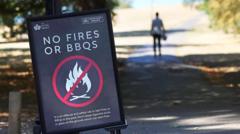
Temporary ban on single-use grills implemented as military deploys to combat wildfires. Government warns disposable BBQs pose significant public risk during dro...
Temporary Ban on Disposable BBQs as Military Deployed to Combat Wildfires
Authorities have announced a temporary suspension on the sale and use of disposable BBQs as part of an emergency response to escalating wildfire threats across affected regions. The disposable BBQs ban comes as military units are being mobilized to support firefighting operations amid severe drought and extreme heat conditions. Government officials have classified single-use grills as presenting a "significant risk to the public" during this critical period, prompting swift regulatory action to minimize fire hazards.
Understanding the Risk of Single-Use Grills
Disposable barbecues, despite their convenience and widespread recreational use, have become a focal point of concern for fire safety officials. These portable grills, often used at beaches, parks, and outdoor gatherings, can reach extremely high temperatures and pose particular dangers when exposed to dry vegetation and combustible materials. The combination of high ambient temperatures and low moisture levels in the environment creates ideal conditions for rapid fire spread should any ignition occur.
Environmental experts emphasize that even the smallest spark from improperly discarded or unsecured single-use grills can trigger devastating blazes. In current weather patterns characterized by persistent drought conditions and record-breaking heat, the margin for error has become dangerously narrow. The disposable BBQs ban represents a precautionary measure designed to eliminate one controllable source of ignition during peak fire season.
Military Intervention in Firefighting Efforts
The deployment of military personnel to assist with wildfire suppression marks a significant escalation in the government's response strategy. Armed forces are being positioned to support civilian firefighting teams in containment operations, evacuation coordination, and resource distribution. This multi-agency approach reflects the severity of current conditions and the unprecedented demand on emergency services.
Military units bring specialized capabilities including aerial reconnaissance, logistical support, and personnel to establish firebreaks and protect critical infrastructure. The coordination between civilian and military resources has streamlined response times and expanded the geographic coverage of firefighting operations. This intervention underscores governmental commitment to protecting communities and natural resources from the escalating wildfire crisis facing the nation.
Extreme Weather Conditions Fueling the Crisis
The current environmental situation is characterized by converging climate factors that have created exceptionally hazardous conditions. Extended drought periods have depleted soil moisture and reduced water availability for firefighting purposes. Simultaneously, heatwave conditions have driven temperatures to record levels, accelerating vegetation desiccation and creating fuel loads primed for rapid combustion.
Meteorological data indicates that atmospheric humidity levels remain critically low, further diminishing the natural resistance of plant matter to ignition. Wind patterns in affected regions have become increasingly erratic, complicating predictive modeling and firefighting strategies. The combination of these environmental stressors has transformed landscape conditions into tinderboxes, where even minor heat sources can trigger conflagrations of catastrophic proportions.
Implementation and Timeline of the Ban
The temporary restriction on disposable BBQs has been implemented immediately in high-risk zones, with authorities providing clear guidance to retailers and consumers. The government has coordinated with commercial establishments to remove single-use grills from inventory and shelves during the ban period. Public information campaigns have been launched to educate citizens about the dangers and the temporary nature of these restrictions.
Officials have established specific timelines for the ban's duration, contingent upon weather improvements and drought conditions stabilization. Regular reassessment protocols ensure that restrictions can be adjusted as environmental conditions evolve. The government has committed to transparent communication regarding when these limitations might be lifted, allowing businesses and consumers to prepare for gradual normalization.
Community Response and Support Measures
Local communities have demonstrated strong support for the precautionary measures, recognizing the existential threat posed by uncontrolled wildfires. Residents have adapted recreational plans and alternative entertainment options that do not involve outdoor grilling during this restricted period. Community organizations have mobilized to provide support services for those affected by evacuations and property threats.
Businesses dependent on outdoor entertaining have been offered advisory resources to modify operations during the wildfire crisis. Government agencies have established hotlines and digital platforms for residents to report suspicious activities or unsafe conditions that might increase fire risk. This collaborative approach between authorities and public has strengthened collective resilience during the emergency period.
Long-Term Considerations and Prevention
While the temporary disposable BBQs ban addresses immediate threats, officials recognize that comprehensive wildfire prevention requires sustained effort and long-term planning. Investment in landscape management, strategic fuel reduction initiatives, and infrastructure hardening will be prioritized beyond this crisis period. The current emergency has highlighted vulnerabilities in both natural systems and emergency response capabilities.
Future policy development will incorporate lessons learned from current firefighting operations and community engagement experiences. Enhanced building codes, expanded emergency services capacity, and improved coordination mechanisms between agencies will strengthen resilience against future fire seasons. The drought emergency has catalyzed discussions about climate adaptation strategies and resource management practices that balance economic activity with environmental safety requirements.


