
Ex-Olympic Athlete Denies Damaging Washington Reflecting
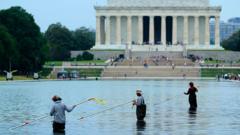
Former Olympian arrested for allegedly vandalizing Washington Reflecting Pool disputes charges, claims he merely touched fresh paint out of curiosity without ca...
Ex-Olympian Challenges Vandalism Allegations at Iconic Monument
A former Olympic competitor has firmly denied involvement in the Washington Reflecting Pool vandalism incident following his arrest, asserting that his contact with the site was purely exploratory in nature. The athlete, Davey Hearn, maintains that his presence at the Washington Reflecting Pool location stemmed from innocent curiosity rather than any deliberate attempt to damage or deface the newly applied paint surfaces.
Details of the Alleged Washington Reflecting Pool Incident
According to Hearn's account, he approached the freshly painted areas at the Washington Reflecting Pool solely to examine the new coating material. He categorically refutes allegations that he removed, altered, or caused any harm to the paint application. His legal position emphasizes the distinction between casual inspection and intentional vandalism, arguing that touching or examining paint does not constitute the criminal act prosecutors are investigating.
The Defense Strategy Against Vandalism Charges
The former athlete's defense centers on distinguishing between curiosity-driven contact and actual property destruction. Hearn contends that simply placing one's hands on freshly applied paint, while perhaps inadvisable, does not rise to the level of vandalism charges. This distinction becomes crucial in the Washington Reflecting Pool case, as it raises questions about what constitutes criminal damage versus innocent interaction with public infrastructure.
Washington Reflecting Pool as a Protected Historic Site
The Washington Reflecting Pool remains one of the nation's most recognizable and carefully maintained landmarks. Located on the National Mall, the pool requires strict preservation protocols and regular maintenance. Any damage to the site attracts significant attention from authorities and the public alike. The recent vandalism allegation has renewed discussions about security measures and public access to the beloved monument.
Implications for the Former Olympic Athlete
Hearn's arrest marks a significant development in his post-athletic career. The allegations at the Washington Reflecting Pool have drawn media attention to the former Olympian, who previously enjoyed recognition for his sporting achievements. The case raises broader questions about how law enforcement determines intent in property-related incidents at federal monuments.
Understanding Paint Damage vs. Innocent Contact
Forensic and investigative perspectives play important roles in assessing whether contact with fresh paint constitutes vandalism. Experts examine factors including paint transfer, removal evidence, and alteration patterns. In the Washington Reflecting Pool case, these technical details could prove determinative in distinguishing between Hearn's account and prosecutors' allegations.
Public Monument Security and Access Considerations
The incident has prompted renewed conversations about balancing public access to historic sites like the Washington Reflecting Pool with adequate protection measures. Authorities continue investigating the circumstances surrounding the alleged vandalism while Hearn maintains his position regarding his innocent intentions during the visit.
The case of the Washington Reflecting Pool vandalism allegation against the former Olympic athlete continues to develop as legal proceedings advance. Hearn's insistence on his innocence and explanation for his presence at the site presents a contrasting narrative to official charges. As investigations proceed, the distinction between curiosity-driven contact and intentional property damage will likely remain central to the case's resolution and broader discussions about monument preservation and public access policies.


