
Deadly Helicopter Collision Claims Two Lives in Greece
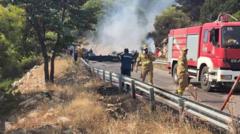
A tragic collision between two firefighting helicopters in Greece results in two deaths. A British pilot and another crew member survive the incident.
Tragic Accident Unfolds in Greek Airspace
A devastating helicopter collision Greece incident has resulted in the loss of two lives during a critical firefighting operation. The accident occurred when two aircraft engaged in wildfire containment efforts came into contact, leaving rescue teams and aviation authorities scrambling to respond to the emergency. Among those involved were crew members from multiple nations, highlighting the international nature of modern emergency response operations.
Victims and Survivors Identified
The fatalities in this helicopter collision Greece tragedy included one Danish national and one Greek crew member. Both individuals were operating in their professional capacity when the incident occurred. Their loss has prompted widespread expressions of sympathy from aviation and emergency services communities across Europe.
Those Who Survived
Despite the severity of the collision, two crew members managed to survive the impact and subsequent events. A British pilot demonstrated remarkable resilience, managing to endure the accident and its immediate aftermath. Additionally, another Greek crew member also survived the incident, providing investigators with firsthand accounts of the moments leading up to and following the collision.
Context of the Operation
The aircraft involved in this tragic helicopter collision Greece event were actively engaged in firefighting operations, a particularly dangerous branch of aviation work. Crews operating these specialized helicopters face numerous hazards including challenging weather conditions, low-altitude maneuvering, and coordination complexities when multiple aircraft operate in proximity during large-scale fire suppression efforts.
Investigation and Response Measures
Following the incident, authorities immediately launched a comprehensive investigation into the circumstances surrounding the helicopter collision Greece accident. Multiple agencies coordinated their efforts to examine aircraft wreckage, analyze communication records, and interview survivors to determine the exact sequence of events that led to the tragedy. Such investigations are crucial for preventing similar incidents in the future and improving safety protocols across the firefighting aviation sector.
International Cooperation in Emergency Services
This helicopter collision Greece incident underscores the importance of international collaboration in emergency response operations. Firefighting efforts, particularly during large-scale wildfires, often require coordination between multiple nations and specialized personnel. The presence of Danish, British, and Greek nationals in the operation reflects the broader European commitment to mutual aid and resource sharing during natural disasters.
Safety Implications and Future Considerations
The accident raises critical questions about safety measures and protocols in helicopter firefighting operations. Aviation experts continue to examine factors that may have contributed to the collision, including communication procedures, navigation systems, visual awareness standards, and coordination protocols between multiple aircraft operating in the same airspace. These findings will likely influence future regulatory updates and operational guidelines within the aerial firefighting industry.
The survivors, particularly the British pilot and the Greek crew member, will play vital roles in helping investigators understand the technical and human factors that preceded the helicopter collision Greece tragedy. Their testimony, combined with physical evidence and data analysis, will contribute to the comprehensive understanding of how such accidents can be prevented.


