
Turkish President Gifts Keir Starmer Firearm During NATO Summit
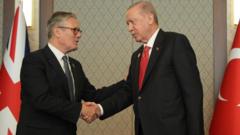
Turkish President presents UK Prime Minister Keir Starmer with a ceremonial weapon at NATO gathering. The firearm remains secured with British officials in Turk...
Turkish Leader Presents Ceremonial Firearm to British Prime Minister
During a high-level diplomatic engagement at the NATO alliance gathering, the Turkish President extended a symbolic gesture of goodwill by presenting UK Prime Minister Keir Starmer with a ceremonial firearm and ammunition. This exchange between the two leaders occurred within the framework of strengthening bilateral relations and demonstrating unity among NATO member states during their collaborative discussions.
The presentation of such gifts between world leaders carries significant diplomatic weight, reflecting the importance both nations place on their strategic partnership and mutual defense commitments. The Turkish President's decision to offer this particular present underscores the ceremonial nature of high-level state visits and diplomatic meetings where symbolic gestures play an important role in international relations.
Weapon Custody and Security Protocols
In accordance with established security procedures and international protocols, the firearm received by the British Prime Minister during the NATO summit has not been transported back to the United Kingdom. Instead, British government officials stationed in Turkey have assumed responsibility for the weapon's safekeeping and secure storage within Turkish territory.
This arrangement reflects standard practice for diplomatic gifts involving weapons or sensitive items that require special handling and documentation. The decision to maintain the firearm in Turkey, rather than transferring it internationally, demonstrates adherence to legal frameworks governing the movement of such objects across borders and the careful management of diplomatic protocols that govern the exchange of presents between world leaders.
Diplomatic Protocol and Symbolic Gestures
The exchange between the Turkish President and Starmer exemplifies the traditional customs surrounding state-level meetings within the NATO alliance framework. Ceremonial gifts, particularly those with historical or cultural significance, serve as tangible reminders of mutual respect and commitment to shared security objectives among member nations.
Such presentations are carefully orchestrated within diplomatic settings, with each element—from the selection of the gift to its subsequent handling—reflecting broader geopolitical considerations. The decision regarding the firearm's location demonstrates the meticulous attention paid to compliance with international law while honoring the ceremonial aspects of diplomatic engagement.
NATO Strategic Context
The interaction between the British Prime Minister and the Turkish President occurs against the backdrop of NATO's ongoing coordination efforts and collective defense responsibilities. Turkey, as a significant member of the alliance, plays a crucial role in regional security matters, and high-level diplomatic exchanges serve to reinforce these strategic partnerships.
The gifting of a ceremonial weapon by the Turkish President to Keir Starmer during the NATO summit represents more than a mere symbolic gesture—it underscores the depth of institutional relationships and the importance both nations assign to their alliance within the collective security framework. These formal exchanges help maintain diplomatic channels and demonstrate commitment to shared values and mutual defense obligations that form the foundation of NATO's collective security architecture.
Conclusion
The presentation of a firearm and ammunition by the Turkish President to UK Prime Minister Starmer at the NATO gathering illustrates the enduring traditions of diplomatic gift-giving at the highest levels of government. With the weapon appropriately secured by British officials within Turkey, all parties have demonstrated their commitment to both honoring diplomatic customs and maintaining strict adherence to international regulations governing such exchanges among allied nations.


