
US Military Strikes Iran Following Tanker Attacks in Hormuz Strait
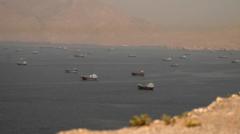
United States launches military operations against Iran after tanker incidents in the Strait of Hormuz. Learn about the escalating tensions and international re...
US Military Strikes Iran Following Tanker Incidents in Strait of Hormuz
The United States has initiated military operations targeting Iranian positions in response to recent attacks on commercial vessels in the Strait of Hormuz. These US military strikes Iran represent a significant escalation in tensions between Washington and Tehran, marking a critical moment in ongoing geopolitical disputes within the Middle East region.
Strategic Objectives Behind the Military Action
According to statements from American defense officials, the military operations have been designed to inflict substantial economic and strategic consequences on Iranian interests. The Pentagon emphasized that these measures aim to demonstrate resolve while protecting vital international shipping lanes that carry approximately one-third of global maritime trade.
The rationale provided by Washington centers on the necessity to maintain freedom of navigation and protect commercial interests in one of the world's most critical waterways. Officials indicated that the operations target specific military installations believed to be responsible for orchestrating attacks on merchant vessels traversing the Strait.
Tanker Incidents Prompting International Response
Recent incidents involving several commercial tankers operating through the Strait of Hormuz have raised alarm among maritime authorities and trading nations worldwide. These vessels sustained damage consistent with mine-laying or direct assault, creating heightened concerns about the security of global energy supplies and international commerce.
The timing of these attacks coincides with heightened US-Iran tensions, following various diplomatic and economic pressures imposed by Washington. Shipping companies have expressed serious concerns about maintaining operations in the region, with several international maritime organizations issuing guidance regarding transit procedures through these contested waters.
Iran's Warning and Retaliatory Threats
Iranian leadership has responded to the American strikes by warning of imminent and decisive countermeasures against US interests. Officials in Tehran declared that their nation possesses the capability and determination to respond with substantial force to what they characterize as unjustified American aggression.
Iranian statements suggest that any further military actions by Washington could trigger broader regional conflict, with implicit references to their network of allied military organizations throughout the Middle East. This rhetoric indicates Tehran's willingness to escalate the confrontation if provoked by additional American military operations.
International Community and Global Economic Implications
The escalation between the United States and Iran carries significant implications for global energy markets and international trade. Oil prices have experienced volatility in response to the developing situation, with traders expressing concern about potential further disruptions to crude oil supplies from the Persian Gulf region.
European nations, Asian trading partners, and other international stakeholders have called for restraint and diplomatic engagement to prevent further deterioration. The United Nations and various international organizations have urged both parties to pursue negotiated solutions rather than military confrontation.
Military Capabilities and Regional Balance
The regional military balance remains precarious, with both the United States and Iran maintaining substantial forces in proximity to the Strait of Hormuz. American naval assets, including aircraft carrier groups and guided-missile destroyers, are positioned throughout the Persian Gulf region, while Iran maintains its Revolutionary Guard naval units and coastal defense systems.
Analysts note that any sustained military campaign between the two powers could fundamentally alter regional dynamics and economic patterns that have persisted for decades. The potential for miscalculation or unintended escalation remains a significant concern among international security experts monitoring developments in the region.
Ongoing Diplomatic Tensions
The current military confrontation follows months of escalating tensions, including economic sanctions imposed by the United States against Iranian entities and the Iranian government's announced reduction of compliance with previous nuclear agreements. This cycle of action and reaction has created an increasingly volatile environment in the Persian Gulf.
Despite military actions, both nations maintain channels of communication, though these channels have become increasingly strained by mutual accusations and competing strategic interests. The path toward de-escalation remains unclear as both Washington and Tehran appear committed to defending their respective regional ambitions.


