
Iran's Former Supreme Leader: Emotional Farewell in Tehran Amid Political Tensions
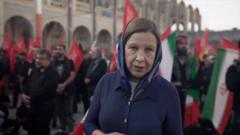
BBC correspondent Lyse Doucet reports from Tehran on the funeral proceedings of Iran's former Supreme Leader, exploring the intersection of grief and politics d...
Iran's Former Supreme Leader: A Nation in Mourning
The funeral proceedings honoring Iran's former Supreme Leader have become a significant moment of national reflection, as reported by BBC chief international correspondent Lyse Doucet from the heart of Tehran. The events surrounding the Iran Supreme Leader funeral have drawn attention to the complex intersection of personal grief and political significance in the Islamic Republic, revealing how deeply these two dimensions intertwine in moments of national importance.
Lyse Doucet's On-Ground Coverage from Tehran
As one of the world's most respected international journalists, Lyse Doucet has traveled to Tehran to provide comprehensive coverage of the unfolding events. Her reporting captures not only the ceremonial aspects of the funeral but also the underlying emotions that permeate through the crowds and official proceedings. The BBC correspondent's firsthand account from the capital offers viewers a window into how Iranians are processing this significant moment in their nation's history.
The Role of Emotion in Political Moments
Doucet's reporting emphasizes how emotion plays a crucial role during major political transitions. The funeral serves as more than merely a ceremonial goodbye; it represents a moment where personal feelings and state interests converge. Citizens gathering in Tehran demonstrate a range of reactions, from solemn respect to passionate expressions of allegiance, all of which inform the broader political narrative unfolding across the country.
Understanding the Political Context
The death of Ayatollah Khamenei marks a pivotal moment for Iran's political landscape. As the former Supreme Leader, his influence shaped decades of Iranian policy and international relations. The funeral events in Tehran provide crucial insight into how different segments of Iranian society view this transition and what it might mean for the nation's future direction. Lyse Doucet's analysis helps international audiences understand the nuances of these political undertones.
Ceremony and Symbolism in Tehran
The funeral proceedings themselves carry deep symbolic weight within Iranian political culture. Various rituals, speeches, and gatherings serve as expressions of loyalty, remembrance, and political positioning. The BBC correspondent's documentation reveals how these ceremonial elements reflect both genuine mourning and calculated political messaging from various factions within the Islamic Republic.
International Perspective on Iran's Leadership Transition
For global observers, understanding events like the Iran Supreme Leader funeral requires trusted international journalism. Lyse Doucet brings decades of experience covering Middle Eastern affairs, allowing her to contextualize the funeral within broader regional dynamics. Her reporting bridges the gap between Iranian domestic politics and international interest, explaining why these events matter beyond Iran's borders.
The Intersection of Faith and Politics
Iran's political system uniquely intertwines religious authority with state governance. The funeral of the former Supreme Leader exemplifies this connection, as mourners express both spiritual reverence and political allegiance simultaneously. Doucet's reporting highlights how Iranians navigate this dual nature of their nation's leadership structure and what emotions emerge when facing the loss of a leader who embodied both religious and political authority.
Reactions Across Iranian Society
The funeral proceedings reveal diverse perspectives across different segments of Iranian society. Some view the moment with genuine grief and respect for the departed leader's legacy, while others see it as an opportunity to express different political viewpoints. The BBC correspondent captures these varying reactions, demonstrating that even in moments of national mourning, Iranian society reflects its complex political divisions and allegiances.
What the Funeral Reveals About Iran's Future
Beyond the immediate ceremonies, the funeral proceedings offer clues about Iran's political trajectory. The way different groups position themselves, the rhetoric employed by officials, and the public response all indicate potential future developments within the Islamic Republic. Lyse Doucet's analysis helps contextualize these signals for international audiences seeking to understand Iran's next chapter.
BBC's Role in International Reporting
The BBC's presence in Tehran through senior correspondent Lyse Doucet demonstrates the importance major international news organizations place on covering significant events in Iran. Her reporting ensures that global audiences receive credible, on-the-ground accounts of how major political moments unfold in one of the world's most strategically important nations. The Iran Supreme Leader funeral coverage represents a crucial example of international journalism's value in bridging cultural and political understanding.


