
Iran Closes Strait of Hormuz Following Israel Operations in Lebanon Region
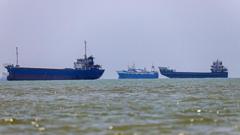
Iran announces closure of Strait of Hormuz after Israel's military actions in Lebanon, citing violations of US ceasefire agreement. Latest Middle East developme...
Iran Announces Strait of Hormuz Closure Amid Regional Escalation
The Strait of Hormuz Iran has declared closed following escalating military tensions between Israel and Lebanon, marking a significant development in Middle Eastern geopolitics. Iran's announcement regarding the Strait of Hormuz closure comes in response to what Tehran characterizes as Israeli military breaches affecting the region's stability and the broader agreement framework established with the United States.
Background on the Regional Conflict
Israel's military operations targeting locations in Lebanon have intensified in recent weeks, prompting strong reactions from Tehran. The Iranian government has officially stated that these military actions represent a direct violation of the understanding reached with the United States regarding the cessation of hostilities in the region. This development has raised concerns among international observers about potential wider regional conflict.
Iran's Position on Ceasefire Violations
According to Iran's official statements, the Israeli attacks constitute a fundamental breach of the agreement designed to prevent escalation and maintain stability. Tehran has repeatedly emphasized that the continuation of military operations in Lebanon undermines the diplomatic efforts and the mutual commitments made between Iran and the United States. Officials from Tehran argue that these incidents demonstrate a disregard for the established framework meant to prevent further conflict.
Strategic Implications of Strait of Hormuz Closure
The Strait of Hormuz represents one of the world's most critical maritime chokepoints, with approximately one-third of global seaborne oil trade passing through these waters. Iran's decision to close this strategic waterway carries substantial implications for international commerce, energy markets, and global economic stability. The closure affects shipping routes and international trade flows that connect the Middle East to global markets.
Any disruption to navigation through the Strait of Hormuz impacts oil prices, shipping costs, and supply chains affecting economies worldwide. The international community has expressed concern about such actions and their potential consequences for global commerce and energy security.
International Response and Diplomatic Concerns
World powers have called for restraint and adherence to established agreements. The United States has emphasized the importance of maintaining the ceasefire framework and preventing further escalation. International observers have warned that military actions in the region could trigger unintended consequences affecting multiple nations and their economic interests.
Regional analysts suggest that the current tensions reflect deeper disagreements about the implementation and scope of agreements designed to prevent conflict. Diplomatic channels remain active as various nations attempt to prevent further deterioration of the situation.
Current Military Situation in Lebanon
Lebanon continues to experience significant military pressure, with ongoing operations affecting civilian populations and infrastructure. The situation represents a continuation of long-standing tensions between multiple parties, including state and non-state actors. International humanitarian organizations have expressed concern about the impact on Lebanese civilians and have called for adherence to international law regarding conflict conduct.
Future Outlook and Regional Stability
Analysts predict that the resolution of current tensions will require diplomatic engagement and commitment from all parties to existing agreements. The closure of the Strait of Hormuz represents an escalatory measure that may prompt further responses and countermeasures from affected parties. International mediators continue efforts to broker solutions that could prevent further military escalation.
The situation underscores the delicate nature of regional stability in the Middle East and the importance of maintaining international agreements designed to prevent conflict. Moving forward, diplomatic solutions will be essential to preventing broader regional involvement and ensuring the resumption of normal maritime traffic through critical international waterways.


