
Venezuelan Aftershocks Leave Citizens Struggling Without Aid
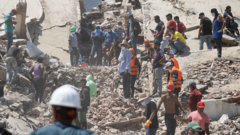
Twin earthquakes devastate Venezuela as citizens face aftershocks and scarce resources. Communities struggle with limited government support in affected regions...
Venezuelan Earthquakes Aftermath Creates Humanitarian Crisis
The devastating impact of consecutive earthquakes has left Venezuelan communities grappling with significant challenges as aftershocks continue to rattle affected regions. The Venezuelan earthquakes aftermath has exposed critical gaps in disaster response infrastructure, forcing residents to rely on community efforts and improvised rescue methods rather than coordinated governmental assistance.
Communities Mobilize Rescue Operations
In zones most impacted by the destructive seismic events, determined residents have undertaken dangerous rescue missions using makeshift tools and manual labor. Neighbors coordinate efforts with crowbars, pickaxes, and their own physical strength to excavate collapsed structures and locate missing persons trapped beneath rubble.
Improvised Equipment and Human Determination
The absence of heavy machinery and professional rescue equipment has forced residents to innovate with whatever resources remain available. Volunteers work tirelessly through debris fields, carefully removing stones and concrete fragments by hand. These grassroots operations, though physically demanding and hazardous, represent the primary lifeline for many trapped individuals awaiting rescue.
Aftershock Dangers Compound the Crisis
The continuing aftershocks following the initial earthquakes intensify the precarious situation across Venezuelan territories. Secondary tremors threaten already-weakened structures and pose additional risks to those engaged in rescue activities. Citizens experience heightened anxiety as continued seismic activity undermines their sense of security and complicates ongoing rescue efforts in devastated neighborhoods.
Psychological Impact and Community Resilience
Beyond physical destruction, the psychological toll of repeated tremors frays the nerves of anxious residents. Families remain in constant fear of additional earthquakes while simultaneously confronting the loss of homes, livelihoods, and in some cases, loved ones. Despite overwhelming challenges, communities demonstrate remarkable resilience through mutual aid networks and coordinated neighborhood support systems.
Inadequate Government Response Strains Resources
Official disaster relief mechanisms have proven insufficient to meet the urgent humanitarian needs across affected Venezuelan regions. Government resources remain limited, forcing self-reliant communities to establish their own supply chains for food, water, and medical assistance. This responsibility for Venezuelan earthquakes aftermath management has fallen disproportionately on ordinary citizens and informal charitable organizations.
Healthcare and Sanitation Challenges
Medical facilities in affected areas struggle with overwhelming patient influxes and dwindling medical supplies. Injuries ranging from lacerations and fractures to crush wounds require immediate treatment, yet healthcare providers operate with constrained resources. Sanitation concerns emerge as displaced populations lack adequate access to clean water and waste management infrastructure.
Long-Term Recovery Outlook Remains Uncertain
The path toward reconstruction and recovery extends far beyond immediate rescue operations. Displaced families face uncertain housing prospects while economic disruption threatens livelihoods throughout affected communities. The Venezuelan earthquakes aftermath will likely influence regional development strategies and infrastructure priorities for years to come, requiring sustained national and international attention.
Infrastructure Assessment and Rebuilding Priorities
Structural engineers and urban planners must conduct comprehensive assessments of remaining buildings to identify safety risks. Public infrastructure including roads, bridges, and utilities requires substantial reconstruction investment. The magnitude of required repairs underscores the necessity for coordinated planning and resource mobilization beyond currently available government capacity.
International Support and Humanitarian Assistance
Despite domestic challenges, international humanitarian organizations have mobilized to provide emergency aid and technical expertise. Foreign governments and NGOs contribute medical supplies, rescue equipment, and emergency personnel to support Venezuelan disaster response efforts. These international partnerships prove essential in bridging gaps left by insufficient domestic resources during this critical recovery phase.


