
Russian Black Sea Grain Facilities Targeted in Major Ukraine Port Strike
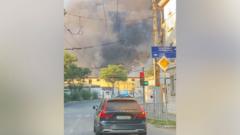
Ukraine launches significant attack on Russian grain export terminals in Black Sea ports. Discover the impact on global grain trade and shipping operations.
Critical Infrastructure Under Fire: Russia's Grain Export Terminals Face Unprecedented Assault
The ongoing military conflict between Russia and Ukraine continues to escalate with substantial attacks targeting Russian grain export terminals along the Black Sea coastline. These strategic strikes on major grain handling facilities represent a significant development in the broader economic warfare campaign affecting global commodity markets and international trade routes.
As tensions persist in the region, Ukraine has intensified operations against Russian infrastructure, with particular focus on the nation's grain export capabilities. The targeting of Russian grain export terminals reflects a calculated strategy to disrupt Moscow's agricultural trade revenues while simultaneously advancing military objectives in contested maritime zones.
Impact on International Grain Markets
The disruption of grain exports from both Russia and Ukraine has created substantial ripple effects throughout global agricultural markets. Commodity traders and international grain buyers now face unprecedented supply chain challenges as both nations continue their destructive campaigns against each other's shipping infrastructure and port facilities.
Russia's significant role as a world grain supplier means that any disruption to Russian grain export terminals carries substantial implications for food security and pricing across Europe, Asia, and Africa. The reduction in available grain supplies from these critical producers has already begun influencing international commodity prices and forcing importers to seek alternative sources.
Escalating Attacks on Shipping Infrastructure
The conflict has progressively shifted toward targeting civilian maritime infrastructure and commercial facilities. Beyond Russian grain export terminals, Ukraine has similarly faced attacks on its own shipping facilities and port operations, creating a symmetrical pattern of economic disruption that extends far beyond military considerations.
Both nations have demonstrated their willingness to engage in strikes against port facilities, grain storage complexes, and logistical hubs essential for maintaining regular agricultural trade. These operations reflect the evolution of modern conflict into economic spheres, where civilian commercial infrastructure becomes legitimate military objectives in the eyes of belligerents.
Global Supply Chain Consequences
The targeting of grain export infrastructure has profound consequences for nations dependent on Russian and Ukrainian agricultural products. Countries throughout the developing world that rely heavily on affordable grain imports face potential food price inflation and supply shortages as traditional trade channels become increasingly unreliable.
Shipping routes through the Black Sea have become increasingly hazardous, with commercial vessels facing risks from military operations, mines, and ongoing attacks on port infrastructure. Insurance costs for maritime operations in the region have escalated dramatically, further complicating efforts to maintain grain exports and creating additional economic pressures on both production and distribution networks.
Long-Term Implications for Agricultural Trade
The systematic destruction of grain export terminals and related shipping facilities raises questions about the speed and scope of reconstruction once hostilities eventually cease. Major grain export terminals represent substantial capital investments and specialized infrastructure that cannot be quickly replaced or repaired.
International grain markets will likely continue experiencing volatility and uncertainty until stability returns to the Black Sea region. The interruption of Russian grain export terminals supply chains has already prompted agricultural producers worldwide to expand cultivation and storage capabilities, while nations dependent on imports actively seek long-term supply diversification strategies to reduce vulnerability to further disruptions in this geopolitically contested region.


