
Heightened Security Measures for Indian Medical Entrance Exam Retake Following Paper Breach
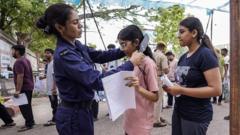
India implements strict biometric security protocols and air force deployment for rescheduled medical entrance examination after alleged paper leak incident aff...
Stringent Security Protocol Implemented for Medical Entrance Exam Retake
India has instituted comprehensive security measures for the rescheduled medical entrance examination, responding to widespread concerns about a recent paper leak that prompted authorities to cancel the original test. The heightened medical entrance exam security framework represents one of the most rigorous examination protocols implemented in the country's educational history, affecting millions of aspiring medical professionals nationwide.
The decision to deploy extensive security infrastructure reflects the government's commitment to maintaining examination integrity and ensuring fair competition among candidates. With biometric verification systems and physical security checks now mandatory at all examination centers, officials aim to prevent any unauthorized access to confidential test materials and maintain the credibility of the medical admissions process.
Biometric Verification and Physical Security Measures
All candidates participating in the retake examination will undergo comprehensive biometric scanning procedures at designated testing facilities. The authentication system captures fingerprints, iris recognition data, and facial identification markers to create a secure digital record of each test-taker. This biometric security checks implementation ensures that only registered candidates can access examination halls, preventing impersonation or unauthorized participation.
Beyond technological verification, security personnel have been instructed to conduct thorough physical frisking of all individuals entering examination centers. Candidates are prohibited from carrying electronic devices, communication equipment, or any materials that could potentially facilitate cheating or information transmission. Personal belongings are systematically searched, and examination halls are regularly monitored throughout testing periods to prevent any irregularities.
Air Force Deployment for Exam Paper Security
In an unprecedented move, the Indian Air Force has been mobilized to oversee the transportation and safeguarding of examination papers throughout the distribution process. Military personnel are stationed at secure facilities where test materials are printed, packaged, and transported to examination centers across the country. This multi-layered security approach represents a significant escalation in protective measures compared to standard examination procedures.
The air force involvement ensures that examination papers remain under constant surveillance from printing facilities to examination centers. Sealed containers holding test materials are transported via secure military channels, with comprehensive documentation tracking each package's movement. This systematic oversight prevents any possibility of unauthorized individuals accessing confidential examination content before the designated testing period.
Response to Widespread Paper Leak Incident
The original medical entrance examination was canceled following reports of an alleged paper leak investigation that compromised the integrity of the testing process. Investigators discovered that confidential examination questions had been disseminated through unofficial channels, potentially providing certain candidates with unfair advantages. This breach prompted authorities to invalidate the initial examination and announce a complete retake with enhanced security protocols.
Education officials conducted extensive inquiries into the security breach, identifying multiple vulnerabilities in the previous examination administration system. The investigation revealed lapses in document handling procedures, inadequate facility security, and insufficient personnel vetting. These findings directly informed the design of new security protocols implemented for the rescheduled examination, addressing each identified weakness systematically.
Impact on Millions of Medical School Aspirants
The examination breach and subsequent retake announcement affected millions of medical school candidates who had prepared extensively for the original testing date. Many students experienced significant anxiety and stress due to the examination cancellation and the uncertainty surrounding the new testing schedule. The postponement required candidates to extend their preparation periods and adjust their academic timelines accordingly.
Recognizing the impact on student populations, education authorities have provided extended preparation windows and additional support resources for candidates preparing for the rescheduled examination. Mental health services have been made available to address examination-related stress, and educational institutions have adjusted their calendars to accommodate the revised medical school admission timeline. These comprehensive support measures aim to minimize disruption to students' educational trajectories.
Institutional Accountability and Preventive Measures
Government education officials have emphasized that the security enhancements represent a commitment to preventing future examination breaches and maintaining public confidence in the medical admissions process. Institutional accountability mechanisms have been strengthened, with examination center directors and personnel subject to rigorous performance standards. Any future security lapses could result in significant consequences, including criminal charges and professional sanctions.
The rescheduled medical examination serves as a critical opportunity for candidates to compete fairly under secure conditions. Enhanced security measures provide assurance that examination results accurately reflect individual academic capabilities rather than access to prior question papers. This restoration of integrity is essential for maintaining the credibility of medical education institutions and ensuring that qualified professionals enter the healthcare sector through merit-based selection processes.
Moving Forward with Strengthened Examination Systems
The experience gained from this security breach has prompted broader discussions within India's educational administration about implementing similar protective measures across other high-stakes examination systems. Officials are evaluating the effectiveness of biometric technology, military-grade security protocols, and enhanced personnel training programs for potential adoption in future examination administrations. This forward-thinking approach reflects commitment to maintaining examination integrity as a foundational element of India's education system.


