
Colombia's Brutal Internal Conflict Shapes Presidential Race
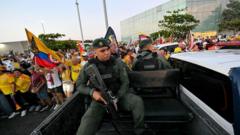
Colombia's presidential election centers on competing visions for handling the nation's escalating internal conflict, with a left-wing senator advocating dialog...
Colombia's Internal Conflict Takes Center Stage in Presidential Campaign
Colombia's ongoing internal conflict has emerged as the defining issue in the nation's presidential election, with voters facing fundamentally different approaches to addressing the country's security challenges. The escalating violence and criminal activities perpetrated by armed gangs have intensified pressure on political candidates to present concrete solutions, making the conflict a central pillar of campaign rhetoric and policy proposals.
The contest centers on two starkly contrasting visions for resolving Colombia's internal conflict. On one side stands a left-wing senator who advocates for diplomatic negotiations and dialogue with armed organizations, arguing that conversation represents the path toward sustainable peace. On the other side emerges an outsider candidate who has received endorsement from international political figures, positioning himself as a tough-on-crime alternative promising more aggressive security measures.
The Left-Wing Candidate's Peace-Through-Dialogue Approach
The left-wing senator's platform prioritizes establishing structured talks with armed gangs and criminal organizations currently destabilizing Colombian territory. Supporters of this approach contend that negotiation, combined with social programs and economic development initiatives, can address root causes of violence and gang recruitment. This candidate has emphasized the need for comprehensive peace agreements that tackle not only security concerns but also underlying socioeconomic factors driving criminal activity.
Advocates for the dialogue-based strategy point to previous peace accords and international precedents where negotiation has helped reduce violence in conflict-affected regions. They argue that military approaches alone have proven insufficient in containing the internal conflict, particularly given the sophisticated networks and resources available to organized criminal groups.
The Outsider Candidate and Tough-on-Crime Platform
The outsider candidate, endorsed by prominent international political figures including Trump, represents a distinctly different approach to Colombia's internal conflict. This candidate promises enhanced security operations, stricter enforcement measures, and a more confrontational stance toward armed organizations. The campaign emphasizes law-and-order policies designed to directly confront criminal gangs rather than negotiate with them.
This hardline position has resonated with voters concerned about escalating violence and gang activity in their communities. The candidate's international endorsement signals alignment with international pressure for more aggressive counter-narcotics and anti-gang operations, positioning him as willing to take bold action where previous administrations allegedly hesitated.
Violence and Gang Activity as Electoral Catalysts
The brutal nature of Colombia's internal conflict, characterized by territorial disputes among competing gangs, drug trafficking operations, and kidnapping, has transformed the election into a referendum on security competence. Voters across socioeconomic backgrounds have expressed deep concern about personal safety and the state's ability to maintain order.
Reports of escalating criminal activity in major cities and rural regions have amplified campaign messaging around public safety. Both candidates leverage these concerns, though with opposing remedies: the senator advocates systemic change through dialogue and development, while the outsider demands immediate, forceful intervention.
International Dimensions and Political Implications
The Trump endorsement of the outsider candidate adds an international dimension to Colombia's internal conflict discourse. It signals alignment with more interventionist approaches favored by certain foreign governments, potentially influencing diplomatic relationships and U.S. aid priorities depending on election outcomes.
Meanwhile, the left-wing senator's negotiation-focused platform aligns more closely with regional peace initiatives and international humanitarian organizations advocating for dialogue-based solutions. This ideological divide extends beyond domestic Colombian politics, reflecting broader global disagreements about how to address organized crime and internal security challenges.
Electoral Stakes and Colombia's Future Direction
The outcome of this presidential election will fundamentally shape how Colombia confronts its internal conflict over the coming years. Voters must weigh whether diplomatic engagement or military enforcement offers the more promising path toward reducing violence and stabilizing the nation.
As campaigns intensify, both candidates continue emphasizing their respective approaches to Colombia's internal conflict, with campaign events increasingly focused on security demonstrations and policy announcements addressing gang activity. The election represents a crucial moment for Colombian democracy, determining not only the nation's security apparatus but also its approach to peace, justice, and economic development in conflict-affected regions.


