
US Strikes Iran Amid Trump's Fresh Warning Over Regional Conduct
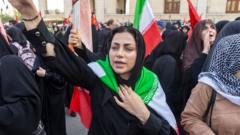
The United States launches new military operations against Iran as President Trump issues stern warnings. Discover the latest developments in US-Iran tensions a...
Trump Administration Escalates Military Operations
The United States has initiated fresh military strikes against Iran, intensifying the already volatile US strikes Iran situation in the Middle East. President Donald Trump issued a stark warning to Tehran, demanding that the Iranian government "better behave" in light of ongoing regional tensions and alleged provocations that have prompted Washington to take decisive action.
Presidential Statement on Military Decision
During recent remarks, Trump indicated that he has not yet finalized whether the administration will pursue what he described as "finishing off" Iran through continued military escalation. The statement reflects the administration's ongoing deliberation regarding the scope and intensity of further operations against the Islamic Republic, signaling that additional measures remain under active consideration based on Iranian responses to current strikes.
Context Behind the Operations
The new military operations come amid escalating tensions between Washington and Tehran that have characterized recent months. US strikes Iran incidents represent a continuation of the confrontational approach the Trump administration has adopted toward Iran's regional activities, nuclear program, and alleged support for militant groups throughout the Middle East. Intelligence assessments have pointed to Iranian actions that US officials argue justify military intervention and deterrent measures.
Regional Implications and Strategic Concerns
The fresh strikes carry significant implications for regional stability in the Middle East, where multiple stakeholders maintain competing interests. US officials have emphasized that the military operations target facilities and capabilities they believe pose threats to American interests, allied nations, and regional security architecture. The administration's hardline stance reflects concerns about Iranian ballistic missile development, potential nuclear advancement, and proxy warfare conducted through various militant organizations.
International Response and Diplomatic Dimensions
The strikes have prompted reactions from international partners and adversaries alike. While some allied nations have expressed understanding for US security concerns, others have raised questions about the diplomatic ramifications of military escalation. The Trump administration maintains that such action is necessary to prevent what officials characterize as Iranian aggression and to maintain American military superiority in the strategically vital Persian Gulf region.
Trump's Conditional Approach
Trump's statement that he has not decided whether to "finish off" Iran suggests a calculated approach wherein the administration reserves the right to expand operations depending on Tehran's response. This conditional framework indicates that the strikes may serve as both a demonstration of American resolve and a pressure mechanism to compel behavioral changes in Iranian foreign policy, particularly regarding nuclear enrichment and regional proxy activities.
National Security Justification
The Trump administration has framed these US strikes Iran operations as essential components of a broader national security strategy. Officials argue that Iran's continued support for designated terrorist organizations, advancement of its ballistic missile program, and alleged threats to American personnel and facilities necessitate decisive military action. The administration contends that restraint would invite further Iranian provocations and undermine deterrence.
Path Forward for Negotiations
Despite the military operations, questions remain about whether diplomatic channels might eventually offer an alternative path. Trump's previous withdrawal from the Iran nuclear agreement and the subsequent "maximum pressure" campaign have left little room for conventional negotiations. However, the conditionality in Trump's statements suggests that Iranian compliance with unstated American demands might affect the trajectory of future military operations and policy decisions.
Conclusion
The fresh US strikes Iran operations, coupled with Trump's warning language, underscore the high-stakes confrontation between Washington and Tehran. As the situation develops, international observers will closely monitor whether these military actions serve as the prelude to further escalation or as a demonstration meant to catalyze behavioral change in Iranian foreign policy. The administration's reserved decision-making regarding additional operations reflects the complex calculus involved in managing American interests against Iran while considering regional consequences and international responses.


