
Trump Abandons 20% Strait Tax Plan as US Tightens Iran Port Blockade
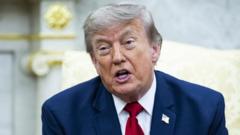
Trump reverses 24-hour-old tariff threat on Hormuz shipping as America intensifies blockade operations against Iranian port activities in the strategic waterway...
Trump Reverses Hormuz Tariff Initiative
The Trump administration has withdrawn its recent proposal to impose a 20% fee on cargo vessels transiting the Strait of Hormuz, marking a significant policy reversal just 24 hours after the initial announcement. This decision regarding Hormuz shipping fees reflects shifting priorities within the administration as it continues to escalate pressure against Iranian maritime operations through alternative enforcement mechanisms.
The abrupt reversal of the tariff framework signals potential internal deliberations over the economic implications of such a broad-based charge on international commerce. Trade experts suggest that implementing duties on Hormuz passage would have disrupted global energy markets and affected numerous allied nations dependent on the waterway for crude oil imports.
Intensified US Naval Operations in the Region
While abandoning the tariff scheme, the United States has simultaneously intensified its military presence and blockade operations targeting Iranian ports and shipping infrastructure. This dual approach—rejecting unilateral tariffs while maintaining aggressive naval enforcement—represents Washington's multifaceted strategy to constrain Iran's maritime commerce and regional influence.
American naval forces have established enhanced monitoring systems and boarding procedures designed to intercept vessels suspected of conducting trade with Iranian entities. These operations focus particularly on identifying and redirecting ships engaged in sanctions evasion activities, thereby tightening the noose around Tehran's international trading capacity.
Strategic Implications for Global Trade
The decision to scrap the Hormuz fee proposal while simultaneously strengthening the blockade demonstrates a calculated approach balancing economic concerns with geopolitical objectives. By eliminating the tariff threat, the administration avoids alienating crucial allies who rely on the strait for energy security while maintaining pressure through military interdiction.
Industry observers note that the withdrawn tariff would have created unprecedented complications for shipping insurance, routing logistics, and fuel pricing mechanisms. The alternative strategy—leveraging military enforcement rather than commercial levies—allows Washington to pursue its Iran containment objectives without disrupting broader international commerce.
Iran's Maritime Response
Iranian authorities have closely monitored American military movements and port blockade activities, viewing them as violations of international maritime law and freedom of navigation principles. Tehran continues to assert its rights to unimpeded shipping in the Strait while developing alternative trading routes through land corridors with neighboring nations.
Long-Term Regional Consequences
The ongoing blockade against Iranian ports carries significant implications for regional stability, humanitarian conditions, and petroleum market dynamics. The Trump administration's multi-pronged approach—combining military presence, commercial interdiction, and diplomatic pressure—seeks to maximize leverage while managing collateral economic disruptions.
Analysts predict that the abandoned tariff scheme will eventually be superseded by additional sanctions announcements or expanded naval operations. The blockade remains the primary enforcement mechanism through which Washington intends to isolate Iran from global maritime commerce and financial systems, reshaping Middle Eastern trade patterns in the process.


