
US-Iran Tensions Rise Over Strait of Hormuz Strategic Control
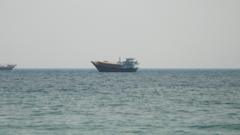
The Strait of Hormuz emerges as a critical flashpoint between the US and Iran as diplomatic tensions escalate and regional stability weakens significantly.
Strait of Hormuz Tensions Escalate Between US and Iran
The Strait of Hormuz tensions have intensified dramatically as negotiations between Washington and Tehran continue to deteriorate. This crucial waterway, which serves as one of the world's most vital maritime passages for global energy supplies, has become a central point of friction in US-Iran relations. The escalating dispute over control of this strategic chokepoint underscores deeper vulnerabilities in the broader diplomatic framework between the two nations.
A Critical Geographic Flashpoint
Located between Iran and Oman, the Strait of Hormuz tensions stem from competing interests in maintaining naval dominance. The waterway handles approximately one-third of the world's seaborne petroleum trade, making it extraordinarily important for global energy security. When Strait of Hormuz tensions rise, international markets respond with concern, reflecting the waterway's central importance to economic stability worldwide.
The strategic significance of this passage has made it a frequent flashpoint in US-Iran relations over decades. Both nations maintain naval operations in the region, and each closely monitors the other's activities. Recent incidents involving cargo vessels and military vessels have heightened concerns about potential miscalculation or deliberate provocation.
The Failing Ceasefire Framework
As diplomatic efforts falter, the control of the waterway has emerged as a key point of contention between the two powers. A proposed ceasefire deal, once considered a path toward regional stability, now appears increasingly fragile. The deterioration of this agreement has left both nations jockeying for advantage in the Strait of Hormuz tensions.
The weakness exposed in the current diplomatic framework suggests that neither side is willing to make significant concessions regarding their strategic interests in the region. This impasse demonstrates how difficult it has become to bridge the fundamental differences between Washington and Tehran, particularly when it comes to matters of military presence and naval authority.
Economic Implications of Ongoing Disputes
The implications of sustained Strait of Hormuz tensions extend far beyond the immediate region. Global shipping companies and energy producers face uncertainty about their ability to freely navigate the waterway. Insurance costs for vessels transiting the area have risen, reflecting heightened risk assessments by the maritime industry.
Oil prices remain sensitive to news regarding Strait of Hormuz tensions, as traders worry about potential disruptions to supply chains. A significant closure or restriction of the waterway could have severe consequences for economies worldwide, particularly those dependent on Middle Eastern crude oil exports.
Military Posturing and Regional Concerns
Both the United States and Iran have positioned military assets to demonstrate their commitment to maintaining influence in the region. The presence of American naval vessels conducting freedom of navigation operations contrasts sharply with Iran's assertions of sovereign control over the waters adjacent to its coastline.
This military posturing reflects the underlying tensions that contribute to Strait of Hormuz tensions remaining unresolved. Regional allies of both powers have expressed concern about potential escalation, recognizing that any serious incident could rapidly spiral into a broader conflict.
The Broader Diplomatic Crisis
The difficulties in managing Strait of Hormuz tensions reveal a larger crisis in US-Iran diplomacy. Trust between the two nations has eroded significantly, making even technical discussions about maritime navigation challenging. Previous agreements have been challenged or abandoned, creating an atmosphere of mutual suspicion.
International observers have noted that Strait of Hormuz tensions serve as a barometer for the overall health of the relationship between Washington and Tehran. When the situation deteriorates in the waterway, it typically signals broader problems in diplomatic channels and strategic negotiations.
Looking Forward
Resolution of Strait of Hormuz tensions will require sustained diplomatic engagement and a willingness from both sides to prioritize regional stability over short-term advantages. International mediators and concerned nations have begun exploring possible frameworks that might reduce tensions without requiring either power to abandon its core interests.
The Strait of Hormuz tensions underscore the fragility of international agreements without robust enforcement mechanisms and genuine commitment from all parties involved. Moving forward, both nations must recognize that their mutual interests in preventing a catastrophic incident may ultimately prove stronger than their competitive impulses regarding maritime control and regional dominance.


