
US Halts HIV Program Funding in South Africa
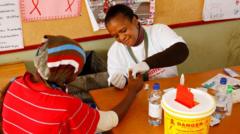
The United States announces plans to stop financing HIV treatment initiatives in South Africa, home to over 8 million people living with the virus.
United States Ends HIV Program Funding in South Africa
The United States has announced a significant decision to cease financial support for HIV program funding in South Africa, marking a substantial shift in international health assistance. This move directly impacts a nation grappling with one of the world's most severe HIV crises, where approximately 8.2 million individuals are currently living with the virus – a figure that represents the highest concentration globally.
Scale of the HIV Crisis in South Africa
South Africa continues to face an unprecedented healthcare challenge related to HIV prevalence. The country's infection rate reflects a complex public health emergency that has persisted for decades. With over eight million South Africans affected by HIV, the nation accounts for nearly one-fifth of all people living with HIV globally. This staggering statistic underscores the critical importance of sustained international funding and support mechanisms.
Historical Context of US Assistance
American financial contributions to HIV program funding in South Africa have historically played a vital role in disease prevention, treatment provision, and community education initiatives. These resources have supported antiretroviral therapy distribution, testing programs, and sexual health awareness campaigns across multiple provinces and communities.
Implications for Treatment Access
The cessation of HIV program funding represents a potential challenge for ongoing treatment accessibility throughout South Africa. Healthcare facilities dependent on international financial support may face operational constraints affecting their ability to deliver comprehensive antiretroviral services. The termination threatens to disrupt established treatment networks that have demonstrated effectiveness in managing viral loads and extending life expectancy among infected populations.
Impact on Healthcare Infrastructure
South African clinics and hospitals have developed sophisticated systems for HIV management, yet these institutions rely substantially on international funding mechanisms. The loss of US financial backing could compromise supply chains for medications, laboratory testing capacity, and trained personnel allocation across the country's healthcare sector.
Regional and Global Ramifications
This decision carries implications extending beyond South Africa's borders. As a leader in HIV treatment innovation and research within the African continent, South Africa's healthcare stability influences neighboring nations' ability to address their own epidemics. The reduction in HIV program funding may create a regional ripple effect affecting broader disease control efforts.
Economic Considerations
The economic impact of reduced HIV program funding extends throughout South Africa's healthcare system. Treatment interruptions, reduced prevention services, and diminished research capacity all carry long-term economic consequences. Healthcare workforce reductions may accompany budget shortfalls, potentially exacerbating existing capacity limitations.
South African Government Response
South African authorities must now develop alternative strategies to maintain HIV prevention and treatment services. The nation's domestic budget capacity, while substantial in regional context, may struggle to fully compensate for lost international funding. Policy decisions made in coming months will determine whether treatment access remains universal or becomes stratified based on geographic location and economic status.
Future Treatment Scenarios
Several scenarios may unfold following the termination of HIV program funding. South Africa could redirect internal resources toward HIV services, seek alternative international partnerships, or implement targeted treatment programs focusing on highest-burden populations. Each approach carries distinct advantages and limitations regarding equitable healthcare delivery.
International Health Partnership Dynamics
The decision reflects shifting international health priorities and diplomatic considerations. Other nations and international organizations may increase their support for South African HIV initiatives, or gaps may emerge in critical health services. The situation highlights ongoing debates about international responsibility for global health crises and the sustainability of disease management without consistent external support structures.
South Africa's response to this funding reduction will demonstrate whether the nation can sustain its position as an HIV treatment leader despite diminished external resources. The coming months will reveal whether alternative funding sources materialize and how effectively domestic resources address the needs of millions living with HIV program funding shortfalls.


