
Tech Stocks Plunge Across Asian Markets Amid Sector Decline
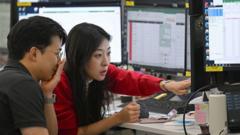
Asian tech stocks tumble as major indices decline. South Korea's Kospi halted trading for the third time this week to prevent panic selling in regional markets.
Asian Tech Stocks Decline Sharply Across Regional Markets
Significant weakness in Asian tech stocks has rippled through major trading centers across the continent, triggering market-wide concerns about sector stability. The broader selloff in technology shares has prompted extraordinary regulatory interventions, with Asian stock markets experiencing substantial declines as investors reassess their positions in the technology sector.
South Korea's Kospi Index Halts Trading Again
Trading operations on South Korea's Kospi index were suspended for the third occurrence within the current week, implementing circuit-breaker mechanisms designed to curb panic-driven selling activity. These automatic halts serve as critical safeguards during periods of excessive market volatility, allowing participants time to reassess conditions and preventing cascading losses that could further destabilize the index.
Frequency of Trading Suspensions
The recurring necessity for trading halts underscores the intensity of downward pressure affecting Asian tech stocks. When an index experiences multiple suspensions within a short timeframe, it typically signals heightened investor anxiety and rapid portfolio adjustments. The Kospi's third halt this week demonstrates that market turbulence has extended beyond isolated incidents, reflecting a sustained bearish sentiment among traders and institutional investors throughout the region.
Regional Impact on Technology Sector
The Asian stock markets downturn has been particularly pronounced in technology-focused listings. Companies spanning semiconductor manufacturing, software development, consumer electronics, and digital services have all experienced share price deterioration. This broad-based weakness suggests the selloff reflects systemic concerns about the technology sector rather than company-specific challenges, potentially driven by macroeconomic headwinds, interest rate considerations, or shifting investor sentiment toward growth stocks.
Investor Response to Market Conditions
The intensity of selling pressure indicates that many investors are rapidly liquidating technology holdings, concerned about further downside potential. Trading volumes have surged as positions are unwound, and volatility indicators have reached elevated levels. The automatic trading halts activated by exchanges represent efforts to inject pauses into the selling momentum, creating opportunities for rational reassessment rather than allowing markets to move in panic-driven patterns.
Broader Implications for Asian Markets
Beyond immediate price movements, the situation reflects critical questions about valuation levels, growth expectations, and the sustainability of positions built during periods of higher market enthusiasm. Asian stock markets, which have attracted significant global capital seeking exposure to technological innovation and growth, now face challenges as risk appetite contracts. The tech sector's particular vulnerability may indicate that investors are rotating away from perceived riskier assets toward more defensive positions.
Market Stability Measures
Exchange authorities across Asia have demonstrated readiness to deploy circuit-breaker systems and other circuit-breaker mechanisms when volatility escalates. These tools exist to prevent disorderly market conditions that could cause lasting damage to market infrastructure and participant confidence. The third halt of the week on the Kospi signals that authorities are actively monitoring conditions and prepared to intervene as necessary to maintain market integrity.
Looking Forward
The confluence of selling pressure affecting Asian tech stocks raises questions about near-term market direction. Whether the current decline represents a temporary correction or signals a more sustained shift in market sentiment will likely depend on broader economic data, corporate earnings reports, and central bank policy communications. Investors monitoring Asian stock markets will be watching for signs of stabilization or indications of further weakness in the technology sector, particularly as trading continues on the Kospi and other major regional indices following each trading halt.


