
Brief Power Outage Causes Massive Disruption for Rail Commuters
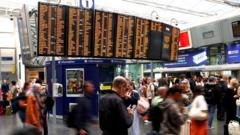
A 90-second power outage created widespread chaos for rail commuters, raising concerns about infrastructure vulnerability. Learn how brief disruptions affect tr...
Understanding the 90-Second Power Outage Impact
A brief but significant power outage rail commuters experienced recently demonstrated the fragile nature of modern transportation infrastructure. What lasted merely ninety seconds triggered cascading failures across the entire network, affecting tens of thousands of passengers and revealing critical vulnerabilities in how electrical systems support rail operations.
The incident unfolded during peak commuting hours, creating bottlenecks at major stations and forcing emergency protocols into action. Operators scrambled to restore normal service while bewildered travelers faced unexpected delays and confusion about alternative routes. The speed with which a minor electrical interruption transformed into system-wide chaos caught many officials off guard.
How Brief Power Disruptions Cascade Through Rail Networks
When examining how a power outage rail commuters experienced evolved into major disruption, infrastructure experts point to interconnected dependencies within modern transit systems. Railway networks rely on sophisticated control systems, signaling equipment, and automated switching mechanisms that all depend on uninterrupted power supply.
The ninety-second interruption was sufficient to:
Disable automated train control systems, forcing manual operations. Trigger safety protocols that temporarily halted all train movement. Disrupt communication between dispatch centers and station operators. Reset traffic light coordination along affected transit corridors. Overwhelm passenger information systems that guide travelers through stations.
These simultaneous failures created a domino effect that extended far beyond the initial power loss window. Even as electricity returned to normal levels, the systems required time to reset and recalibrate, leaving the network in a degraded state for several additional hours.
The Broader Questions About Rail Transportation Disruption
This event raised fundamental questions about whether rail transportation disruption from such brief incidents reveals systemic weaknesses. Transportation authorities now face pressure to explain how ninety seconds of lost power could affect service for hours afterward.
Modern commuter rail systems typically include redundancy measures designed to prevent exactly this scenario. Backup power systems, including diesel generators and battery banks, should theoretically maintain essential functions during temporary outages. Yet the speed and severity of the breakdown suggested these safeguards either malfunctioned or proved insufficient for network-wide protection.
Investigators discovered that several backup systems failed to activate automatically, requiring manual intervention that took precious minutes. Meanwhile, the cascading nature of failures meant that one system's collapse triggered problems in dependent systems, multiplying the overall impact exponentially.
Examining Power Infrastructure Vulnerability
The incident highlighted concerning gaps in power infrastructure vulnerability across transportation networks. Rail operators depend on commercial electrical grids that themselves experience occasional disruptions. When that primary source fails, backup systems must activate instantly and seamlessly.
This particular outage occurred at a transmission point that serves multiple critical functions within the network. The location wasn't protected by redundant feed lines or isolated through sectionalizing switches that could have limited damage to smaller portions of the system. Instead, the failure propagated throughout the entire network, affecting operations from the central hub to peripheral branches.
The power provider's investigation into the root cause revealed aging infrastructure components operating beyond their intended lifespan. Equipment designed for loads thirty years ago now carries triple the original demand, increasing failure probability. Deferred maintenance on key transmission assets meant that systems operating at full capacity possessed minimal safety margins.
Operational Challenges During Public Transit Failures
When public transit failures occur, the immediate operational challenge extends beyond simply restoring power. Rail operators must safely manage trains already in motion, coordinate passenger evacuation if necessary, and maintain order within crowded stations suddenly deprived of normal navigation systems.
During this incident, approximately forty trains were operating across the network when power failed. Engineers reported complete loss of signaling information and had to rely on radio communication with dispatch centers to proceed safely. Some trains stopped between stations, stranding passengers in darkened cars with no immediate information about what happened or when service would resume.
Station platforms became overwhelmed as passengers accumulated, unaware of service status. Without electronic message boards or working PA systems, misinformation spread rapidly. Some travelers walked along tunnels seeking alternative exits, creating additional safety concerns for operators managing the emergency response.
Building Resilience in Railway System Operations
Looking forward, this event demands serious consideration of how to improve railway system resilience against similar incidents. Transportation officials are implementing several response measures:
Installing additional backup power feeds to critical network segments. Upgrading aging distribution equipment to modern standards with better redundancy. Implementing microgrids that can isolate affected sections while maintaining service elsewhere. Enhancing automatic switching mechanisms that activate backup systems more reliably. Developing faster restoration protocols to reduce overall service interruption windows.
These improvements require substantial capital investment, but the costs pale against the economic and social damage caused by service disruptions affecting hundreds of thousands of daily commuters. Public health concerns also emerge when transit failures prevent workers from reaching hospitals, schools from operating normally, and emergency responders from deploying effectively.
Lessons for Future Infrastructure Planning
The experience gained from this power outage rail commuters endured provides valuable lessons for transportation planners nationwide. Systems designed decades ago cannot adequately serve current demand volumes and complexity. Modernization must become an ongoing priority rather than deferred maintenance masked by patch repairs.
This incident demonstrates that resilience cannot depend on single protective measures or hopes that backup systems will function when needed. Comprehensive redundancy at multiple system levels, regular testing of emergency protocols, and investment in predictive maintenance technologies all contribute to more reliable service. As urban populations continue growing and transit systems become increasingly critical to regional economies, the stakes for getting infrastructure investment right have never been higher.


