
Starmer Reveals Emotional Journey Behind Shock Political Exit
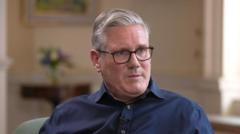
Outgoing UK PM discusses deeply personal decision to resign in candid BBC interview. Learn about Starmer's final message and warnings to successor.
Starmer Opens Up About Deeply Personal Political Exit
In a remarkably transparent conversation with broadcasters, the departing Prime Minister has provided rare insight into the Starmer resignation interview that shocked the nation. The sitting leader acknowledged that stepping away from his political career represented an emotionally challenging moment that required considerable soul-searching and contemplation.
The former Chief of Staff to the Crown Prosecution Service expressed candor rarely seen in high-level political discourse, characterizing the transition period as extraordinarily demanding. His willingness to discuss the intimate aspects of his decision marks a significant departure from typical political communication patterns observed in Westminster circles.
The Weight of Political Leadership
During his appearance, the outgoing head of government emphasized the psychological toll associated with maintaining the highest executive position in the United Kingdom. He described the process of accepting that his time at the apex of power had reached its conclusion as genuinely difficult to navigate emotionally.
The UK Prime Minister exit came after a period of intense deliberation regarding his future trajectory within politics. The decision was not made hastily, but rather represented months of careful consideration about his capacity to continue serving in such a demanding capacity.
Cautionary Remarks Directed at Successor
Notably, the departing leader used his interview platform to offer guidance—some interpreting it as cautionary—to potential successors, particularly referencing Andy Burnham. The warnings suggested awareness of challenges that lay ahead for whoever would assume the premiership role.
These remarks carried weight given Starmer's recent firsthand experience navigating contemporary political pressures. His observations about the demands of the position appeared designed to prepare the incoming administration for difficulties ahead, reflecting a sense of responsibility toward the continuity of effective governance.
Understanding the Personal Dimension
What distinguished this BBC interview Starmer from standard political commentary was the acknowledgment of the toll that public service exerts on individuals and families. The outgoing PM painted a portrait of someone who had carefully weighed professional ambition against personal well-being and family considerations.
The decision to publicly discuss these intimate struggles represented a departure from traditional stiff-upper-lip politics. By sharing his authentic emotional experience, he humanized the often-distant role of Prime Minister, revealing the vulnerability beneath the formal exterior.
Preparing the Ground for Transition
The interview functioned simultaneously as reflection and preparation. The outgoing leader appeared intent on ensuring a smooth handover while maintaining accountability for his tenure. His observations regarding the Burnham successor position suggested he wanted incoming leadership to enter office with realistic expectations.
Political analysts noted that the transparency shown during this conversation might reshape how future transitions are conducted. Rather than departing quietly, the political career decision was being discussed openly, allowing the public to understand the human elements behind high-level governance changes.
Legacy and Forward Momentum
As the outgoing PM reflected on his journey, emphasis fell on the importance of prioritizing one's capacity for sustained performance. The interview suggested that knowing when to step aside gracefully might ultimately prove more valuable than clinging to power until forced to leave.
The candid nature of these remarks has resonated throughout Westminster and beyond, sparking broader conversations about the sustainability of demanding political roles and the importance of recognizing personal limits. The departing leader's willingness to discuss these elements openly may influence how political transitions are understood and managed going forward.


