
Severe Thunderstorms Cause Major Flight Delays at UK Airports
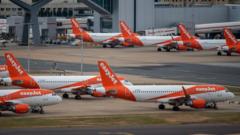
Over 900 flights delayed at Heathrow and Gatwick due to severe thunderstorms affecting southern UK operations. Real-time travel updates.
Flight Delays Thunderstorms Impact Major UK Hubs
Flight delays thunderstorms have caused significant disruption across two of the United Kingdom's busiest aviation facilities. Heathrow Airport and Gatwick Airport have both experienced unprecedented congestion as severe weather systems moved through southern regions, forcing airlines to implement widespread scheduling adjustments affecting more than 900 aircraft movements throughout the day.
The meteorological situation developed rapidly as intense thunderstorm activity intensified south of the British Isles, creating hazardous conditions unsuitable for safe takeoff and landing operations. Airlines operating from both major terminals implemented ground stop protocols and delayed departure schedules to ensure passenger safety while managing the complex logistics of routing aircraft around dangerous weather systems.
Extent of Operational Disruptions
The sheer volume of affected passengers demonstrates the critical importance of these two airport facilities within Europe's aviation network. With more than 900 delayed flights, thousands of travelers faced extended waiting periods, missed connections, and significant inconvenience as the meteorological event unfolded throughout the afternoon and evening hours.
Ground services, baggage handling operations, and aircraft turnaround procedures all experienced cascading delays as the weather system persisted. Airlines struggled to maintain operational coherence while prioritizing safety protocols, resulting in cumulative delays that rippled through subsequent flight schedules across the network.
Weather System Characteristics
Severe thunderstorm formations developed across southern United Kingdom airspace, characterized by powerful updrafts, hail generation, and lightning activity that rendered certain flight corridors temporarily unusable. Meteorological services issued urgent advisories to all aviation operators, recommending immediate diversions and holding patterns for aircraft already airborne during the peak disruption period.
The flight delays thunderstorms created stemmed from multiple weather phenomena occurring simultaneously. Wind shear conditions, reduced visibility from heavy precipitation, and electrical storm activity all contributed to the decision by air traffic control authorities to implement capacity restrictions at both Heathrow and Gatwick facilities.
Airline Response and Passenger Impact
Major carriers operating scheduled services from these airports implemented emergency protocols designed to accommodate affected passengers. Airlines issued travel waivers permitting customers to rebook flights on alternative dates without additional charges, recognizing the extraordinary circumstances creating the operational challenges.
Terminal facilities experienced overcrowding as frustrated travelers sought information about revised departure schedules and rebooking opportunities. Airport customer service teams worked extended hours to assist the substantial volume of passengers impacted by the flight delays thunderstorms phenomenon, providing real-time updates as weather conditions gradually improved throughout the evening.
Recovery Operations and Timeline
As the severe weather system gradually moved northward and dissipated, airport operations began normalizing approximately five hours after the peak disruption period. Airlines prioritized departing aircraft that had accumulated the longest ground delays, while implementing systematic approaches to processing backlogged passengers and baggage.
The recovery process extended into subsequent hours as the ripple effects of initial disruptions continued affecting flight schedules. Aircraft crews exceeding regulatory maximum duty hours required replacements, necessitating additional schedule adjustments and potential cascading delays for flights scheduled in subsequent operational windows.
Infrastructure Resilience and Future Planning
These significant operational challenges underscore the vulnerability of major aviation hubs to severe meteorological events. Both Heathrow and Gatwick authorities continue investing in advanced weather monitoring systems and decision-support tools to enhance response capabilities during future severe weather episodes. Enhanced coordination between air traffic control, airline operations centers, and meteorological services aims to minimize disruption duration during comparable future events.
The flight delays thunderstorms incident serves as important documentation of system performance under extreme stress conditions, providing valuable data for aviation safety officials and airport management specialists analyzing operational resilience and capacity planning considerations for the future.


