
England Faces Historic Drought Crisis: Two-Thirds Now Affected
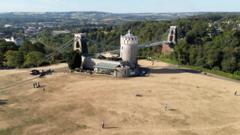
More than two-thirds of England now experiences severe drought conditions. Discover how the water crisis impacts the East Midlands, Kent, and other regions.
England Drought Crisis Reaches Critical Levels
A devastating England drought crisis has intensified across the nation, with more than two-thirds of the country now classified under official drought conditions. This unprecedented water shortage marks one of the most significant environmental challenges facing the region in recent times, affecting millions of residents and critical water infrastructure systems.
Regional Areas Designated as Drought Status
The official drought designations have expanded to include several strategically important regions. The East Midlands, Lincolnshire, and Northamptonshire have transitioned into formal drought status, joining previously affected areas. Additionally, Kent and East Sussex, traditionally considered water-rich regions, now face severe water restrictions and management protocols.
The Solent and South Downs region, encompassing significant population centers and agricultural land, has also received official drought classifications. This expansion of affected territories demonstrates the widespread nature of the current water crisis affecting England's infrastructure and natural resources.
Understanding Drought Status Classifications
When regions receive official drought status designation, it triggers a comprehensive series of water management interventions and conservation measures. Local water authorities implement stricter usage protocols, impose garden watering restrictions, and establish mandatory conservation guidelines for industrial and commercial users.
The England drought situation requires coordinated responses from multiple agencies, including environmental regulators, water companies, and local governance bodies. These organizations work collaboratively to monitor water levels, manage demand, and ensure equitable distribution across affected communities and essential services.
Impact on Communities and Infrastructure
The widespread England drought conditions create significant challenges for residential areas, agricultural operations, and business enterprises. Homeowners face restrictions on non-essential water usage, including lawn irrigation and vehicle washing. Farmers struggle with reduced water availability for livestock and crop irrigation during critical growing seasons.
Water supply companies operating within drought-affected regions must balance consumer demands against limited resource availability. The situation requires transparent communication with the public regarding conservation expectations and potential supply interruptions.
Environmental and Agricultural Consequences
Beyond immediate human consumption needs, the England drought creates environmental stress on natural ecosystems. Rivers and water bodies experience reduced flow rates, affecting aquatic habitats, fish populations, and biodiversity. Groundwater levels decline significantly, potentially impacting long-term water security even after precipitation increases.
Agricultural productivity in affected regions faces considerable threats. The drought stress reduces crop yields and increases production costs for farmers already operating under economic pressure. Livestock farmers must invest in alternative water sources and supplementary feed provision.
Looking Ahead: Water Security Measures
As the England drought persists, authorities emphasize public cooperation with conservation measures. Sustained behavioral changes regarding water usage patterns become essential for maintaining water availability for essential services and vulnerable populations.
The current crisis underscores the importance of long-term water infrastructure investment, sustainable resource management strategies, and climate adaptation planning. Future preparedness requires comprehensive approaches addressing both immediate drought response and systemic resilience building.


