
King Charles Pays £12.9M Tax: Three Unusual Facts
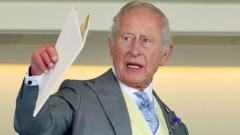
King Charles paid £12.9M in tax for 2024-2025. Discover three unusual aspects of the King's unique tax situation and financial arrangements.
King Charles Pays £12.9M in Tax: Understanding the Unique Royal Financial Framework
King Charles paid £12.9 million in tax during the 2024-2025 financial year, a figure that reveals several fascinating details about his distinctive tax situation. Unlike ordinary taxpayers, the King's financial arrangements involve extraordinary considerations that set his circumstances apart from the general population. Understanding the King's tax bill requires examining the complex interplay between royal duties, government arrangements, and personal wealth management.
The First Unusual Aspect: Voluntary Tax Payments
One of the most peculiar elements of King Charles's financial position involves the voluntary nature of certain tax contributions. While most citizens are legally obligated to pay taxes, the monarchy operates under different constitutional conventions. The King's decision to contribute £12.9 million in tax reflects a deliberate choice to participate in the nation's revenue system, despite certain traditional exemptions historically available to the crown. This voluntary approach to the King's tax bill demonstrates a commitment to transparency and fairness in royal finances.
The voluntary tax arrangement stems from a historic agreement implemented during Queen Elizabeth II's reign. This precedent established that royal finances would be treated with greater openness, distinguishing the modern monarchy from centuries of tradition. The King Charles tax situation continues this progressive approach, ensuring public confidence in how royal resources are managed and utilized for national benefit.
The Second Unusual Aspect: The Sovereign Grant System
The Sovereign Grant represents another distinctive feature affecting King Charles's tax circumstances. Rather than relying solely on private wealth, the monarchy receives government funding designated specifically for official duties and palace operations. This system creates an unusual dynamic where portions of publicly funded resources require careful accounting and separate tax treatment. The King's tax bill reflects meticulous categorization of which income streams qualify for taxation and which benefit from historical exemptions.
This hybrid funding model—combining the Sovereign Grant with private Duchy income—creates the unique financial framework underpinning King Charles's tax arrangements. The Duchy of Lancaster and Duchy of Cornwall generate substantial private revenue that operates under different regulatory conditions than public grants. These parallel income sources necessitate sophisticated financial management to ensure the King's tax bill accurately reflects current regulations while respecting traditional royal prerogatives.
The Third Unusual Aspect: Duchy Income and Special Classifications
Perhaps the most distinctive element of King Charles's tax situation involves income derived from the Duchies. These historic estates generate millions annually through agricultural operations, property leasing, and commercial ventures. The Duchy income classification creates singular tax circumstances that don't apply to ordinary wealthy individuals or corporations. The manner in which Duchy revenue is calculated and taxed contributes substantially to the overall King's tax bill amount.
The Duchies operate as ancient trusts rather than standard business entities, creating tax implications that are genuinely unique within Britain's financial system. King Charles, as current Duke of Cornwall and soon-to-be beneficiary of the Duchy of Lancaster in full capacity, manages these estates according to centuries-old protocols. The taxation of Duchy income involves consultations with specialized advisors familiar with both constitutional law and revenue regulations, making the King's tax bill calculation far more complex than standard personal taxation.
Transparency and Modern Royal Finance
The disclosure of King Charles's £12.9 million tax payment represents modern transparency regarding royal finances. Previous generations maintained greater secrecy about monetary matters, but contemporary monarchy operates under heightened public scrutiny. Publishing details about the King's tax bill serves multiple purposes: demonstrating fiscal responsibility, establishing precedent for accountability, and reinforcing the monarchy's relevance in a democratic society.
This transparency extends beyond simple numbers. The royal household publishes comprehensive annual reports detailing income sources, expenditures, and tax contributions. These documents allow independent analysis of whether the King's tax arrangements represent fair participation in the national tax system. The public disclosure of the King's tax bill figures strengthens institutional legitimacy and addresses potential concerns about special privileges.
Comparing Royal Tax Obligations to Ordinary Citizens
Understanding the King's tax bill requires comparison with standard taxpayer circumstances. Most individuals pay income tax on earnings, capital gains tax on investments, and various other levies. The King's financial obligations, while substantial in absolute terms, reflect a fundamentally different income composition. The £12.9 million represents taxation of diverse revenue streams—grants, Duchy earnings, investments—that operate under specialized accounting frameworks unavailable to ordinary taxpayers.
The King's tax situation also includes considerations of tax-exempt status for certain charitable and official activities. Religious institutions, public monuments, and heritage properties owned or managed by the crown receive exemptions that wouldn't apply to private commercial operations. These exceptions, while unique, reflect the crown's dual nature as both private entity and public institution serving national interests.
Future Implications and Royal Financial Management
As King Charles continues his reign, the monarchy faces ongoing questions about tax fairness and financial modernization. The £12.9 million annual tax contribution establishes a baseline for public expectations regarding royal financial participation. Future adjustments to the Sovereign Grant, changes in Duchy income, or modifications to tax law could alter the King's tax bill substantially.
Royal financial advisors must balance traditional prerogatives with contemporary demands for accountability. The King's commitment to transparent taxation demonstrates awareness of this tension. Whether the current system represents optimal balance between acknowledging constitutional traditions and meeting modern standards for financial fairness remains subject to public and parliamentary debate. The detailed examination of King Charles's tax bill contributes meaningfully to these important ongoing discussions about monarchy in the modern age.


