
Junior Doctors in England Approve New Pay Deal After Strikes
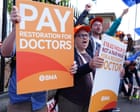
Junior doctors in England accept government pay offer ending NHS strikes. Average pay rise of 35.2% over four years following industrial action costing £1bn.
Junior Doctors Secure Major Pay Agreement in England
Junior doctors across England have voted to accept a comprehensive government pay package, marking the conclusion of an extended period of strike action that significantly impacted NHS operations. The agreement delivers substantial salary improvements averaging 35.2% higher compensation compared to four years prior, resolving industrial disputes that have accumulated costs exceeding £1bn for the National Health Service since industrial action commenced in summer 2023.
The junior doctors pay deal represents a significant breakthrough in protracted negotiations between healthcare workers and government officials. This agreement addresses longstanding grievances regarding compensation levels that had prompted the British Medical Association to organize a series of coordinated strikes throughout the previous year.
Strike Action Concludes Following Breakthrough Agreement
The resolution of this industrial dispute follows strategic action by the British Medical Association, which suspended planned strike activities earlier this month to facilitate member consultation on the revised government proposal. This tactical decision proved pivotal in enabling widespread discussion and eventual ratification of the pay arrangement.
Industrial action by junior medical professionals had created considerable strain on NHS services, with the cumulative financial impact reaching approximately £1bn. The prolonged uncertainty surrounding healthcare staffing and operational capacity underscored the urgency of resolving compensation disputes affecting this critical workforce segment.
Pay Improvements Address Recruitment and Retention Challenges
The junior doctors pay enhancements emerge as part of broader government initiatives to strengthen healthcare sector employment conditions. The 35.2% salary increase calculated across the four-year period reflects recognition of healthcare workers' essential contributions and attempts to address recruitment and retention challenges affecting the medical profession.
Compensation improvements were structured to acknowledge both inflation pressures and the specific demands of junior medical positions within England's healthcare system. The negotiated framework demonstrates commitment from government authorities to stabilize the medical workforce during periods of economic transition.
Financial Impact on NHS Operations
The £1bn expenditure resulting from strike action represents substantial financial consequences for an already resource-constrained healthcare system. This figure underscores the economic significance of resolving employment disputes affecting critical service delivery personnel and highlights the importance of maintaining continuity in medical staffing arrangements.
The acceptance of this pay settlement by junior physicians signals renewed stability for NHS operations moving forward. Restoration of full operational capacity and elimination of strike-related service interruptions offer potential for improved healthcare delivery and patient care outcomes across England's medical institutions.
Broader Implications for Healthcare Employment
This doctors pay settlement carries implications extending beyond immediate employment arrangements, potentially influencing broader healthcare sector compensation discussions. The agreement may establish benchmarks affecting negotiations within other medical specialties and healthcare professional categories across England.
The ratification process demonstrated significant member engagement with the British Medical Association's negotiating framework, suggesting substantial consensus regarding the acceptability of proposed compensation structures. This approval reflects recognition among junior medical professionals that the agreement adequately addresses primary grievances that prompted initial industrial action.
Resolution Timeline and Implementation
The acceptance vote concluded prolonged uncertainty surrounding implementation timelines and financial arrangements for the medical workforce. With approval secured, healthcare administrators can proceed with operational planning incorporating adjusted compensation frameworks and staffing stability expectations.
The conclusion of strike action enables the NHS to focus on service recovery and addressing operational backlogs accumulated during periods of industrial disruption. Restoration of full staffing participation and elimination of contingency arrangements should facilitate improved healthcare delivery capacity throughout England's medical institutions.