
Removing Urban Clutter Could Revive UK High Streets Affordably
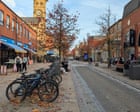
Urban thinktank proposes removing clutter and restricting cars to revive UK high streets cheaply. Discover affordable solutions for struggling town centres.
Affordable Solutions for Reviving UK High Streets
UK high streets revival has become a pressing concern for policymakers and urban planners across the nation. A comprehensive report from the influential urban thinktank Create Streets suggests that transforming struggling town and city centres may not require the massive financial investments previously thought necessary. Instead, strategic yet affordable interventions could effectively restore vitality to retail destinations that have experienced decades of decline.
The Case for Minimal-Cost Urban Interventions
The long-standing deterioration of British high streets represents one of the most significant challenges facing local economies and community cohesion. Rather than pursuing expensive multimillion-pound redevelopment schemes, the Create Streets research indicates that targeted, cost-effective modifications could deliver superior results. These modifications focus on environmental improvements that enhance the overall appeal and accessibility of town centres without draining municipal budgets.
Removing Visual Clutter from Public Spaces
A central recommendation emerging from the thinktank's analysis involves systematically removing unnecessary visual clutter from street environments. Excessive street furniture, redundant signage, poorly maintained infrastructure, and unsightly commercial elements accumulate in many town centres, creating uninviting atmospheres that discourage shoppers and visitors. By decluttering these spaces thoughtfully and strategically, urban planners can create cleaner, more aesthetically pleasing environments that naturally attract increased foot traffic.
The removal process focuses on preserving functional elements while eliminating decorative or redundant items that contribute to visual chaos. This measured approach allows municipalities to achieve substantial improvements without undertaking comprehensive reconstruction projects.
Traffic Restriction and Pavement Expansion
Another cornerstone of the proposed strategy involves restricting vehicular access in central retail zones while expanding pedestrian pavement areas. By limiting car traffic, town centres can reduce pollution, noise, and safety hazards while creating more space for pedestrian movement and outdoor commercial activity. Expanded pavement areas provide opportunities for street vendors, outdoor seating, and cultural events that generate atmosphere and encourage lingering.
This reallocation of street space from vehicles to pedestrians directly addresses quality-of-life factors that influence shopping preferences. Pedestrian-friendly environments foster social interaction, facilitate browsing in multiple retail establishments, and create the vibrant street life characteristic of successful town centres.
Economic Efficiency and Implementation
The financial advantage of this approach cannot be overstated. Traditional high street revitalisation initiatives frequently involve extensive infrastructure reconstruction, building renovations, and large-scale development projects requiring substantial capital expenditure. The Create Streets recommendations achieve comparable outcomes through strategic environmental modification, reducing implementation costs dramatically while potentially accelerating visible results.
Municipalities facing budget constraints can implement these interventions incrementally, prioritising high-traffic areas and gradually expanding improvements throughout their town centres. This phased approach ensures sustainable implementation without overwhelming financial pressures on local authorities.
Restoring Shopper Confidence and Footfall
When town centres become more visually appealing and pedestrian-oriented, consumer behaviour patterns typically improve. Shoppers who enjoy pleasant, safe, and attractive environments tend to spend more time browsing, making additional purchases, and visiting multiple establishments. The cumulative effect of these individual decisions translates into increased retail turnover and improved business viability for local merchants.
Additionally, enhanced public spaces attract diverse visitor demographics, including tourists, families, and younger consumers who might otherwise avoid deteriorated retail environments. This broadened customer base strengthens the economic resilience of local retail sectors.
Long-term Community Benefits
Beyond immediate retail improvements, revitalised town centres strengthen community identity and social cohesion. Attractive public spaces serve functions extending far beyond commerce, providing venues for cultural events, farmers' markets, community gatherings, and recreational activities. These multifunctional spaces become community anchors, drawing regular visitors and fostering neighbourhood engagement.
The thinktank's research emphasises that successful high street revival requires viewing town centres as integrated community assets rather than merely commercial zones. Strategic interventions addressing both aesthetic and functional dimensions create environments that serve diverse public needs while simultaneously supporting retail viability.
Implementation Framework and Next Steps
The Create Streets report provides municipal authorities with practical guidance for implementing these affordable revitalisation strategies. Clear recommendations regarding traffic management, pavement design, clutter removal protocols, and community engagement establish actionable frameworks that local leaders can adapt to their specific contexts and constraints.
As British communities seek sustainable solutions to long-standing high street challenges, this evidence-based approach offers genuine hope for meaningful improvement without requiring unprecedented government spending or complex bureaucratic processes.