
Free Speech Protection Could Impact Labour's Election Performance
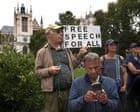
Liberty's polling reveals free speech is a key voter concern for the next election. Three in five voters say it will affect their voting decision.
Free Speech Becomes Critical Electoral Issue for Labour
Free speech protection has emerged as a significant factor that could influence voting behavior at the upcoming general election, according to new polling conducted by human rights organization Liberty. The survey results indicate that free speech remains a substantial concern for the electorate, with many voters expressing concerns about the government's current approach to this fundamental right.
A comprehensive polling analysis commissioned by Liberty through More in Common reveals that the government's stance on free speech protection is increasingly viewed negatively by the public. The research demonstrates that citizens are not only aware of free speech issues but are actively considering them when deciding their electoral preferences.
Voter Priorities and Free Speech Concerns
The polling data presents striking findings regarding the importance voters place on free speech as a determining factor in their electoral decisions. Three in five respondents indicated that a political party's position on free speech would directly influence how they cast their votes at the next general election. This substantial majority demonstrates that free speech protection is no longer a marginal concern but rather a mainstream political issue.
Liberty's analysis of the polling results suggests that the government's approach to safeguarding free speech has generated considerable public dissatisfaction. The organization argues that Labour's failure to adequately protect free speech could potentially cost it votes during the electoral contest. This finding carries significant implications for political strategy, as it indicates that parties cannot afford to dismiss free speech concerns.
Public Perception of Government Policy
The polling commissioned by Liberty through More in Common shows that many voters believe recent government policies have had a negative effect on free speech protections. This perception gap between the government's intentions and public understanding represents a critical challenge for policymakers moving forward.
The data illustrates that free speech is not perceived by the electorate as an abstract or academic issue. Rather, voters view it as a practical concern that affects their rights and freedoms in daily life. This direct connection between policy and personal impact explains why the issue resonates so strongly with the electorate.
Electoral Implications for Political Parties
Liberty's findings carry profound implications for all political parties as they prepare for the next general election. The human rights organization's assertion that free speech protection could influence election outcomes suggests that parties must address this issue directly in their campaign strategies. Voters are clearly paying attention to how different parties approach the question of free speech protection.
The polling suggests that parties perceived as weak on free speech protection may face electoral challenges, while those advocating for robust free speech safeguards could gain electoral advantage. This dynamic makes free speech a potentially decisive issue in swing constituencies where voter preferences may be closely divided.
The Road Ahead: Free Speech and Democratic Engagement
As the next general election approaches, the prominence of free speech concerns in voter considerations reflects broader questions about democratic governance and individual liberties. Liberty's polling demonstrates that the electorate is engaged with fundamental rights issues and willing to base voting decisions on how parties address them.
The human rights organization's analysis suggests that any political party seeking to maximize electoral support must demonstrate a clear and credible commitment to protecting free speech. The polling evidence indicates that voters are sophisticated enough to distinguish between mere rhetoric and substantive policy commitments regarding free speech protection.
Looking forward, the significance of free speech in electoral decision-making may reshape political debate and campaign priorities. Liberty's findings suggest that candidates and parties cannot afford to overlook this issue if they wish to connect effectively with voters who view free speech protection as essential to Britain's democratic future.