
Bank of England's Cautious Rate Hike May Extend Inflation Pressures
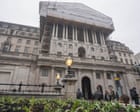
Niesr warns that the Bank of England's hesitant interest rate response could prolong inflation above target until 2030, risking sustained higher rates.
Economists Warn of Prolonged Inflation Impact from Timid Rate Adjustment
The Bank of England's inflation response has drawn sharp criticism from leading economic analysts who argue that last week's modest rate increase may prove insufficient to combat persistent price pressures. The National Institute of Economic and Social Research (Niesr), a prominent independent research organization, has raised serious concerns about the central bank's cautious approach to tackling inflation.
According to Niesr's assessment, the Bank of England's inflation response strategy appears too conservative, potentially creating conditions for prolonged price pressures across the UK economy. This criticism highlights growing debate about whether the monetary authority is responding with adequate vigor to inflationary forces currently affecting households and businesses.
Limited Rate Increases May Extend Inflation Timeline
The thinktank's detailed analysis suggests that the timid nature of the recent rate adjustment is likely to make inflation a more persistent feature of the British economy than previously anticipated. Rather than supporting a swift return to the Bank's 2% inflation target, the cautious approach may actually extend the timeline considerably.
Niesr's projections indicate that if the current trajectory continues, inflation could remain stubbornly above the Bank of England's target until at least 2030. This extended timeline represents a significant shift from earlier expectations and underscores concerns about whether the central bank's current monetary policy framework is adequately calibrated to address emerging price pressures.
The Risk of Extended Higher Interest Rates
One of the most concerning implications of the Bank of England's inflation response involves the potential for sustained elevated interest rates. If inflation remains above target for an extended period, the central bank may face pressure to maintain restrictive monetary conditions for considerably longer than markets currently anticipate.
This scenario presents a challenging outlook for borrowers across the economy. Households struggling with mortgage payments and businesses managing debt obligations may face ongoing pressure from higher borrowing costs. The longer inflation persists, the longer the Bank of England may need to keep rates elevated to maintain credibility in its inflation-fighting mandate.
Questioning Central Bank Tactics
Niesr's searing critique extends beyond simple disagreement with recent policy decisions. The institute questions the broader strategic framework guiding the Bank of England's inflation response. According to their analysis, the hesitant approach reflects either misdiagnosis of current inflationary pressures or insufficient willingness to implement more robust policy measures.
The thinktank argues that more assertive rate adjustments earlier in the inflation cycle might have prevented the current situation where a prolonged period of elevated inflation appears increasingly likely. This perspective contributes to broader policy debates about the appropriate balance between gradualism and decisiveness when addressing economic imbalances.
Economic Implications for the UK
The broader implications of extended inflation and higher interest rates extend throughout the UK economy. Consumer spending patterns may continue facing headwinds as households allocate increasing portions of income toward debt servicing. Business investment decisions could remain constrained by uncertainty about the duration of elevated borrowing costs.
The Bank of England's inflation response strategy will significantly influence economic growth prospects, employment levels, and overall living standards across the nation. The debate sparked by Niesr's analysis reflects fundamental questions about how central banks should respond to emerging price pressures and whether cautious approaches ultimately prove more or less costly to economic performance.
Forward-Looking Monetary Policy Considerations
As discussions continue regarding the appropriate path forward, the central bank faces pressure to clarify its inflation-fighting commitment. The Bank of England must balance concerns about moving too aggressively and potentially disrupting economic growth against warnings that insufficient action may entrench inflationary expectations more deeply.
Economic forecasters and market participants will closely monitor incoming data for signs that the current policy approach is proving effective or whether more substantial adjustments may become necessary. The stakes are high, as decisions made in coming months could determine whether inflation returns to target relatively quickly or remains elevated for years to come, with corresponding implications for interest rates and economic conditions throughout the UK.