
Why Critical Infrastructure Faces Growing Heat Vulnerability
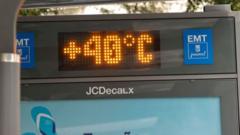
Discover how extreme temperatures threaten critical infrastructure. Energy grids and train services face unprecedented challenges during heat waves.
Critical Infrastructure at Risk from Extreme Heat
Heat vulnerability in critical infrastructure represents one of the most pressing challenges facing modern societies today. Energy grids and train services stand at the forefront of systems threatened by extreme temperature events, with potentially catastrophic consequences for millions of people worldwide. Understanding why crucial technology remains vulnerable to heat requires examining the complex interplay between aging systems, climate change, and insufficient adaptation strategies.
Energy Grids and Rising Temperature Challenges
Electrical infrastructure demonstrates significant heat vulnerability across multiple operational components. Power transmission lines lose efficiency at elevated temperatures, reducing their capacity to deliver electricity when demand peaks during heat waves. Transformers and substations contain cooling systems dependent on ambient air temperature, creating a paradox where they function less effectively precisely when energy consumption reaches its highest levels.
Generation facilities face their own heat-related obstacles. Thermal power plants require substantial quantities of water for cooling, yet during extreme heat events, water availability declines while temperatures in cooling systems rise. Nuclear power stations have experienced shutdowns due to excessively warm discharge water temperatures, temporarily reducing national energy supply during peak demand periods.
Railway Infrastructure Vulnerability
Train services encounter distinct heat vulnerability challenges rooted in physical material properties. Steel rail lines expand under extreme heat, causing rails to buckle and deform if expansion joints prove inadequate. Track misalignment results in speed restrictions or temporary service suspensions, leaving passengers stranded and disrupting freight operations critical to economic activity.
Overhead electrical lines supplying power to trains similarly sag under heat stress, potentially contacting trackside infrastructure. Rolling stock components, including brake systems and traction motors, experience reduced performance and increased failure risk during sustained high temperatures. Signaling systems and electronic controls may malfunction if cooling mechanisms cannot maintain operational temperature ranges.
Systemic Vulnerabilities Across Infrastructure
The fundamental issue underlying heat vulnerability stems from infrastructure originally designed for historical climate conditions. Most critical systems were engineered based on temperature data from decades past, when extreme heat events occurred less frequently and with lower intensity. Climate patterns have shifted dramatically, yet replacement or comprehensive upgrade of infrastructure typically requires decades and enormous capital investment.
Material fatigue accelerates significantly at elevated temperatures, shortening asset lifespan and increasing maintenance requirements. Underground cables and pipes experience degradation rates that double or triple during extended heat periods. Synthetic materials used in modern infrastructure often possess narrow operational temperature ranges, making them particularly susceptible to climate extremes.
Economic and Social Implications
The consequences of heat vulnerability extend far beyond temporary service interruptions. Economic losses from infrastructure failures during heat waves reach billions annually. Supply chain disruptions cascade through industries dependent on reliable electricity and transportation networks. Healthcare systems struggle to maintain operations during simultaneous infrastructure failures and increased patient demand from heat-related illnesses.
Vulnerable populations face disproportionate impacts when critical infrastructure fails during extreme heat. Elderly residents dependent on medical equipment experience life-threatening situations if power grids collapse. Low-income communities often lack air conditioning resources and depend entirely on public transportation, intensifying their exposure to hazardous conditions.
Adaptation and Future Solutions
Addressing heat vulnerability requires multifaceted approaches combining immediate protective measures with long-term infrastructure transformation. Enhanced monitoring systems detect temperature stress in real-time, enabling preventive interventions before catastrophic failures occur. Improved insulation, advanced cooling systems, and heat-resistant materials show promise in reducing operational constraints.
Strategic infrastructure redundancy and geographical distribution can mitigate localized failure impacts. Investments in renewable energy systems with lower water requirements offer alternatives to traditional generation methods vulnerable to heat stress. Smart grid technology optimizes power distribution during peak demand, reducing strain on aging infrastructure components.
Comprehensive planning frameworks incorporating climate projections guide infrastructure investment priorities. Coastal and arid regions face intensifying heat vulnerability and require targeted support. International cooperation on climate adaptation acknowledges that infrastructure resilience represents a shared global challenge demanding coordinated responses.
Conclusion
Heat vulnerability in critical infrastructure demands urgent attention from policymakers, engineers, and utility operators. Energy grids and train services exemplify how interconnected technological systems face unprecedented stress from climate change. Building resilient infrastructure capable of maintaining essential services during extreme temperatures represents one of the defining challenges of the coming decades. Without substantial investment and innovation, millions will face recurring disruptions to electricity, transportation, and other vital services as heat events intensify.


