
Venezuela Earthquakes Claim 920 Lives as Rescue Efforts Intensify
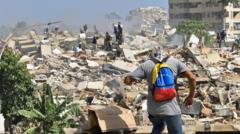
Venezuela earthquakes have resulted in 920 deaths with hundreds still trapped under rubble. International rescue teams arrive as families search for missing rel...
Venezuela Earthquakes: A Humanitarian Crisis Unfolds
Venezuela earthquakes have devastated communities across the nation, claiming approximately 920 lives in what authorities are describing as one of the most severe seismic events in recent history. The catastrophic impact has left families desperate for news of missing loved ones, while rescue operations continue around the clock to locate survivors buried beneath collapsed structures.
Scale of Destruction and Death Toll
The Venezuela earthquakes have created an unprecedented humanitarian emergency, with official reports confirming that the death toll has reached 920 individuals. Rescue coordinators estimate that hundreds of additional victims remain trapped under the rubble of destroyed buildings, hospitals, schools, and residential areas. Emergency responders have been working tirelessly to access affected zones, though challenging terrain and structural instability have complicated search-and-rescue operations significantly.
International Rescue Teams Mobilize
Recognizing the magnitude of this crisis, international rescue teams from multiple countries have begun arriving in Venezuela to support local emergency services. These specialized units bring advanced equipment, trained personnel, and expertise in navigating disaster zones. The coordinated international response represents a critical component of the ongoing recovery efforts, as local resources alone are insufficient to address the widespread devastation caused by the Venezuela earthquakes.
Global Cooperation in Disaster Response
Countries from across the Americas and Europe have pledged assistance, deploying search-and-rescue squads equipped with dogs, sensors, and heavy machinery. Medical teams have also arrived to establish field hospitals and provide emergency healthcare services to injured survivors. This multinational effort underscores the severity of the situation and the global commitment to alleviating suffering in the affected regions.
Families Searching for Answers
Amid the chaos and devastation, thousands of families are desperately seeking news of relatives who were caught in the Venezuela earthquakes. Makeshift information centers have been established where survivors can register and search databases for missing persons. The emotional toll on communities extends far beyond physical injuries, as uncertainty about loved ones' fates weighs heavily on rescue workers and family members alike.
Communication and Information Challenges
The destruction of infrastructure, including communication networks and power systems, has made it difficult for families to locate missing relatives. Authorities have set up emergency hotlines and coordination centers to facilitate information sharing. Social media platforms have also become informal channels where people post photographs and details seeking to reconnect with family members separated by the disaster.
Current Rescue Operations Status
As rescue teams expand their operations across affected regions, the focus remains on locating survivors within the critical 72-hour window when chances of recovery are highest. Heavy machinery is being used to carefully remove debris while preserving structural integrity where survivors might be sheltering. The Venezuela earthquakes have created complex rescue scenarios requiring specialized techniques and equipment.
Challenges Facing Rescue Workers
Rescue operations face multiple obstacles, including unstable building structures, aftershocks that continue to threaten rescue personnel, and limited access to certain areas. Weather conditions and the extent of damage have also hampered efforts to reach remote communities. Despite these challenges, international and local teams remain committed to maximizing survivor recovery rates.
Long-Term Recovery Outlook
Beyond immediate rescue operations, the Venezuela earthquakes will require extensive reconstruction and humanitarian assistance. International organizations are assessing needs related to shelter, food, medical care, and psychological support for survivors. The rebuilding process will likely span months or years, with significant resources required to restore damaged infrastructure and support displaced populations.
The disaster has prompted discussions about strengthening building codes and disaster preparedness throughout the region to minimize casualties from future seismic events. Experts emphasize that early warning systems and public education about earthquake safety could reduce mortality rates in subsequent natural disasters.


