
US Treasury Chief Warns Iran of Unprecedented Economic Isolation
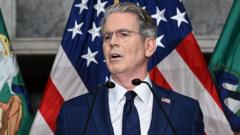
Scott Bessent announces sweeping financial offensive against Iran, threatening economic isolation for nations supporting the Islamic Republic's economy.
Historic Economic Pressure Campaign Against Iran
The United States is implementing what officials describe as an unprecedented Iran economic sanctions strategy designed to completely sever financial relationships with the Islamic Republic. Treasury Secretary Scott Bessent has declared that the administration will pursue the most comprehensive financial offensive in the nation's history, marking a significant escalation in economic pressure against Tehran.
This sweeping initiative represents a fundamental shift in how Washington approaches its relationship with Iranian financial institutions and international commerce. The strategy extends beyond simply cutting direct ties with Tehran, as it encompasses broader measures designed to restrict Iran's access to global financial systems.
Expanding Isolation to International Partners
A critical component of this financial isolation Iran strategy involves targeting any nation or entity that maintains economic partnerships with the Islamic Republic. According to Scott Bessent's statements, countries choosing to engage in financial transactions with Iran will face serious consequences, including isolation from American economic networks.
This approach effectively creates a choice for international partners: maintain relations with the United States and its economic ecosystem, or continue financial dealings with Iran. The announcement signals a hardline position that seeks to eliminate Iran's ability to leverage global trade and financial partnerships to circumvent existing restrictions.
Bilateral Trade Restrictions
Nations currently partnering with Iran will experience disrupted access to American markets and financial systems. This includes restrictions on dollar-denominated transactions, potential sanctions on entities engaging in Iranian commerce, and exclusion from SWIFT banking networks. The ripple effects of such measures could significantly impact countries heavily dependent on trade relationships with the United States.
Financial Infrastructure Targeting
The campaign will focus on dismantling Iran's access to international banking systems and payment mechanisms. This comprehensive approach aims to prevent the country from conducting legitimate business transactions on the global stage, forcing Iranian entities to operate through increasingly expensive and risky informal channels.
Strategic Implications of the Offensive
The US Treasury Iran policy announcement reflects a determination to maximize pressure on Tehran through economic means rather than military intervention. By controlling access to global financial systems, American policymakers believe they can influence Iranian government behavior without direct confrontation.
This strategy builds upon decades of sanctions regimes but represents a notable intensification. Previous sanctions policies allowed limited international engagement and humanitarian exemptions. The current approach appears designed to create near-total economic isolation, leaving minimal room for international trade or financial cooperation.
Global Economic Consequences
The implementation of such a comprehensive economic offensive Iran initiative will have far-reaching implications for the global economy. Major trading partners and financial institutions face difficult decisions about maintaining business with Iran or preserving their relationships with American financial systems.
Countries with significant trade relationships with Iran, including some regional neighbors and Asian nations, may experience economic disruption. They must recalculate the costs and benefits of continuing Iranian partnerships against the risks of American economic isolation.
Industry Impact and Business Considerations
International corporations operating in multiple markets will face unprecedented compliance challenges. Companies must navigate complex requirements prohibiting Iranian transactions while maintaining operations in markets that depend on American business relationships. Financial institutions must implement robust screening procedures to ensure no transactions inadvertently support Iranian entities.
The Scott Bessent Iran offensive signals to private sector actors that doing business with Iran carries substantial risks. Insurance companies, shipping firms, energy traders, and manufacturing enterprises must all reassess their exposure to Iranian commerce.
Historical Context and Previous Measures
While the United States has maintained sanctions against Iran since the 1979 revolution, the intensity and scope of this announced campaign exceed previous initiatives. Even the comprehensive sanctions implemented following Iran's nuclear program developments appear less sweeping than this declared approach.
The Trump administration's withdrawal from the Joint Comprehensive Plan of Action (JCPOA) in 2018 initiated a "maximum pressure" campaign, but officials now describe the current proposal as exceeding even those measures in scope and severity.
Diplomatic and Political Ramifications
This declaration likely reflects broader geopolitical tensions and calculations regarding Iran's regional influence, nuclear ambitions, and support for various armed groups throughout the Middle East. The comprehensive economic approach represents an attempt to constrain Iranian activities across multiple domains simultaneously.
International allies may view this policy with mixed reactions, appreciating efforts to contain Iranian influence but concerned about potential economic blowback from such extreme measures. Some nations may resist American pressure to completely abandon Iranian partnerships, particularly if their economies depend on such relationships.
Implementation Challenges Ahead
Successfully executing this comprehensive isolation strategy will require unprecedented international coordination. The United States cannot unilaterally prevent all nations from trading with Iran, creating potential enforcement challenges and questions about long-term viability.
Financial institutions must develop sophisticated systems to identify and block Iranian transactions. This requires constant vigilance and updating as entities attempt to disguise Iranian involvement through intermediaries and complex corporate structures.
The Treasury Department announcement signals the beginning of what officials expect to be an extended campaign of economic pressure designed to maximize impact on Iranian policymakers and the broader economy. Whether such measures achieve intended diplomatic objectives remains uncertain.


