
US Strikes Iranian Facilities After Cargo Ship Attack
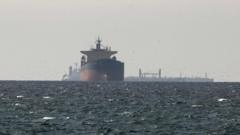
The United States responds with military strikes on Iranian missile storage, drone facilities and radar positions following an attack on a cargo ship in regiona...
United States Responds with Military Strikes
The United States has launched a significant military response following an attack on a cargo ship, targeting Iranian facilities across multiple strategic locations. US Central Command confirmed that the operations focused on dismantling key Iranian defense infrastructure, including missile storage facilities, drone operations centers, and coastal radar systems designed to monitor regional maritime activity.
Target Facilities and Strategic Importance
The strikes on Iran's military infrastructure represent a coordinated effort to neutralize threats in the region. According to US Central Command, the assault targeted three primary categories of Iranian defensive capabilities. Missile storage facilities housed various weapons systems that posed potential risks to international shipping and regional stability. Drone storage areas contained unmanned aerial vehicles that could be deployed for reconnaissance or offensive operations. The coastal radar positions, distributed along Iranian shorelines, served as early warning systems for detecting military movements in the Persian Gulf and surrounding waters.
Cargo Ship Attack Triggers Response
The initial attack on the cargo vessel prompted immediate escalation in military tensions. The incident highlighted ongoing concerns about maritime security in one of the world's most critical shipping routes. International commerce through the region depends on safe passage for commercial vessels, making the protection of cargo ships a priority for multiple nations with interests in the area.
US Central Command Operations
US Central Command maintained operational oversight throughout the strike campaign. The command coordinates military activities across a vast geographic region spanning the Middle East and parts of Asia. This particular operation demonstrated the rapid response capabilities of American military forces stationed and deployed throughout the region. The precision targeting of facilities reflected intelligence assessments regarding Iranian military capabilities and their immediate threat level to regional security and international commerce.
Strategic Implications for Regional Security
These military operations carry significant implications for regional stability and international relations. The strikes underscore ongoing tensions between the United States and Iran, a rivalry that has characterized Middle Eastern geopolitics for decades. By targeting Iranian missile and drone storage facilities, the US aimed to degrade capabilities that could potentially threaten allied nations, commercial shipping, and military assets in the region. The destruction of coastal radar systems reduces Iranian surveillance capacity and early warning capabilities in contested waters.
International Maritime Concerns
The attack on the cargo ship raised alarms among shipping companies and maritime operators worldwide. Commercial vessels transiting through regional waters face various security risks, including potential drone strikes, missile attacks, and acts of piracy. The incident prompted discussions about enhanced security measures for vessels operating in contested maritime zones. International maritime organizations continue to monitor the situation and issue guidance to shipping companies regarding safe passage routes and security protocols in sensitive areas.
Impact on Global Trade Routes
Disruptions to cargo ship operations affect global supply chains and commerce. The Persian Gulf region serves as a crucial corridor for petroleum exports and other critical commodities. Any instability threatening cargo ship safety can create ripple effects across international markets. Shipping insurance rates may increase in response to heightened security risks, adding costs to international commerce flowing through the region.
Military Readiness and Deployment
The swift execution of strikes by US forces demonstrated military preparedness and deployment capabilities in the Middle East. American military personnel stationed at various bases throughout the region maintained readiness to respond to emerging threats. The operation required coordination across multiple branches of the armed forces, utilizing aircraft, missiles, and intelligence assets to identify and neutralize targets with precision. Central Command's ability to execute such operations reflects years of operational experience and regional familiarity.
Future Security Outlook
The incident and subsequent US strikes on Iran's military facilities raise questions about the trajectory of regional conflict. Analysts assess whether military escalation will continue or if diplomatic channels might reduce tensions. The destruction of Iranian missile storage, drone facilities, and radar positions represents a significant degradation of defensive capabilities, potentially influencing calculations regarding future military actions. Regional observers closely monitor statements from US officials and Iranian leadership for indicators of further escalation or de-escalation.
The broader implications of these strikes extend beyond immediate military considerations to encompass diplomatic relations, international law, and regional stability. The United States has historically intervened in Middle Eastern affairs to protect national interests and support allied nations. This particular response to the cargo ship attack follows established patterns of American military strategy in the region, though each incident carries unique circumstances and potential consequences for future relations and security arrangements.


