
US and Iran Exchange Military Strikes Following Khamenei's Funeral
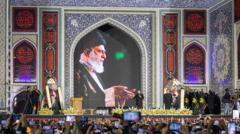
US launches strikes on 90 Iranian targets following Khamenei's death. Iran retaliates as tensions escalate in Middle East conflict.
US and Iran Military Confrontation Intensifies Amid Leadership Crisis
The United States and Iran have engaged in a significant escalation of military hostilities following the death and burial of Iran's supreme leader. US and Iran military strikes have reached unprecedented levels, with the Central Command confirming extensive operations targeting Iranian positions across multiple locations.
Military operations between the two nations have transformed into a direct exchange of force, marking one of the most serious confrontations in recent years. The timing of these engagements coincides with Iran's observance of funeral rites for its highest-ranking political figure, creating an unprecedented situation combining national mourning with active military conflict.
Scale and Scope of Central Command Operations
The United States Central Command reported striking approximately 90 distinct Iranian targets throughout the latest operational phase. These coordinated strikes represent one of the most comprehensive military actions undertaken against Iranian interests in the region during this conflict period.
The targets reportedly included military installations, command centers, and strategic positions throughout Iranian territory. The selection of objectives indicates a coordinated campaign designed to degrade Iranian military capabilities and infrastructure supporting their operations in the broader Middle Eastern theater.
Iranian Casualties and Humanitarian Impact
According to reports from Iran's Ministry of Health, at least 14 individuals have been killed since the initiation of hostilities on Tuesday. These fatalities represent the human cost of the escalating confrontation between the two adversaries, though official figures from each side may vary regarding casualty counts and assessment of damages.
The death toll has prompted significant concern among regional observers regarding the potential for further escalation. Humanitarian organizations have begun evaluating the broader impact of sustained military operations on civilian populations and critical infrastructure across affected areas.
Strategic Context and Regional Implications
The death of Iran's supreme leader has created a critical juncture in Middle Eastern geopolitics. The simultaneous occurrence of leadership transition ceremonies and military confrontation has complicated diplomatic channels and raised concerns about miscalculation or unintended escalation during this sensitive period.
Regional analysts emphasize that the current military exchange occurs against a backdrop of existing tensions related to nuclear negotiations, proxy conflicts, and strategic competition for influence throughout the Middle East. The combination of these factors has created an environment where direct military confrontation between US and Iran forces represents a significant departure from previous patterns of conflict.
International Response and Diplomatic Considerations
The military escalation has prompted reactions from international observers, regional allies, and diplomatic entities seeking to prevent further deterioration of the security situation. Several nations have expressed concern about the potential for broader conflict expansion affecting neighboring states and international commerce.
Diplomatic missions and international organizations have begun preliminary consultations regarding potential mediation efforts or negotiated settlements. However, the current military momentum and the emotional weight of Iran's leadership transition have complicated immediate diplomatic solutions to the underlying tensions.
Future Outlook and Military Trajectory
The US and Iran military strikes represent a critical escalation that will likely shape regional security dynamics for the foreseeable future. Military analysts suggest that both sides possess significant additional capabilities, raising concerns about the potential for further rounds of escalation if current tensions remain unresolved.
The international community continues monitoring developments closely, recognizing that uncontrolled escalation could have consequences extending far beyond bilateral US-Iran relations, potentially affecting energy security, international trade routes, and broader regional stability throughout the Middle East and beyond.


