
Ultra-Long Flights: Airlines Bet on 20-Hour Nonstop Routes
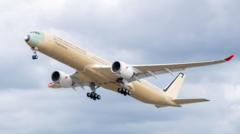
Discover how airlines are pioneering ultra-long nonstop flights. Learn about the London to Sydney route and what experts predict for future aviation.
The Rise of Ultra-Long Nonstop Flights in Commercial Aviation
Ultra-long nonstop flights represent a transformative shift in the aviation industry, challenging traditional notions of passenger endurance and aircraft capability. The announcement of a direct London to Sydney service marks a pivotal moment in commercial aviation, as airlines worldwide evaluate the feasibility and profitability of routes exceeding twenty hours of continuous flight time.
This groundbreaking development in ultra-long nonstop flights reflects advancing technology and evolving market demands. Airlines are increasingly willing to invest in aircraft specifically engineered for extended journeys, recognizing the competitive advantage gained by eliminating layovers and reducing total travel time for passengers.
Understanding the London to Sydney Route
The London to Sydney flight path represents one of the most ambitious commercial aviation projects undertaken in recent years. This approximately 17,000-kilometer journey requires cutting-edge aircraft, specialized crew protocols, and meticulous flight planning to ensure passenger safety and comfort throughout the entire duration.
Industry experts have identified the London to Sydney corridor as a premium market segment with significant demand from business travelers and premium-class passengers. The route connects two major global business hubs, making it strategically valuable for international carriers seeking to capture high-yield market segments.
Industry Expert Perspectives on Nonstop Ultra-Long Flights
Analysts present mixed assessments regarding the commercial viability of ultra-long nonstop flights. While some observers classify the London to Sydney flight as a major milestone that validates technological progress and engineering prowess, others express caution about passenger demand and operational sustainability.
Key concerns among aviation experts include crew fatigue management, passenger comfort on extended flights, aircraft maintenance requirements, and the premium pricing necessary to offset operational costs. Despite these challenges, several major carriers have committed significant capital to developing the infrastructure and training required for ultra-long nonstop flights.
Passenger Comfort and Safety Considerations
Comfort represents a critical factor in the success of ultra-long nonstop flights. Airlines recognize that twenty-hour journeys demand enhanced cabin environments, including improved seat design, entertainment systems, lighting optimization, and dietary provisions tailored to extended travel.
Safety protocols for ultra-long nonstop flights exceed conventional standards. Flight crews receive specialized training in managing physiological challenges associated with extended operations, while aircraft undergo rigorous maintenance inspections between services. Regulatory bodies worldwide have developed comprehensive frameworks governing crew rest requirements and operational limits for ultra-long flights.
The Economics of Extended-Duration Air Travel
Financial viability remains central to determining whether ultra-long nonstop flights become mainstream. Operational expenses for extended routes include enhanced fuel efficiency requirements, specialized aircraft acquisition costs, and premium crew compensation packages.
Airlines pursuing ultra-long nonstop flights strategy typically target premium cabin passengers willing to pay substantial fares for reduced travel time. This market segmentation allows carriers to achieve profitability despite lower seat capacity and higher per-unit operational costs compared to conventional long-haul services.
Technological Innovations Enabling Twenty-Hour Flights
Modern aircraft technology has made ultra-long nonstop flights feasible through revolutionary improvements in fuel efficiency and range capability. Next-generation wide-body jets incorporate lightweight composite materials, advanced aerodynamic designs, and optimized engine performance that extend flight range significantly beyond previous aircraft generations.
Cabin pressure systems, humidity controls, and air filtration technologies have evolved substantially to maintain passenger wellness during extended flights. These innovations directly address physiological concerns associated with ultra-long nonstop flights, potentially reducing jet lag and improving overall passenger satisfaction.
Market Demand and Route Development Strategy
Growth in ultra-long nonstop flights reflects changing travel patterns among global consumers. Frequent flyers increasingly value time savings, while international business professionals require direct connectivity between major economic centers. Ultra-long nonstop flights satisfy these preferences while offering airlines competitive differentiation in premium travel segments.
Airlines examining ultra-long nonstop flights expansion are prioritizing routes connecting major metropolitan areas with strong bilateral business ties and significant premium-class passenger volumes. Beyond London to Sydney, carriers are evaluating comparable routes across the Pacific and Indian Ocean regions.
Regulatory Framework for Nonstop Extended Flights
Aviation authorities worldwide have adapted regulatory frameworks to accommodate ultra-long nonstop flights. Enhanced crew scheduling requirements, mandatory fatigue risk management systems, and specialized pilot certification programs now govern extended operations.
International Civil Aviation Organization standards ensure consistent safety protocols across carriers operating ultra-long nonstop flights. These regulations balance operational flexibility with passenger protection, establishing minimum rest periods and maximum continuous flight durations.
Future Outlook for Ultra-Long Aviation
Industry projections suggest ultra-long nonstop flights will gradually expand across premium markets, though widespread adoption remains uncertain. Success depends on sustained demand, competitive positioning, and profitability validation across multiple carrier networks.
As technology continues advancing and operational experience accumulates, airlines will gain clearer insights into ultra-long nonstop flights viability. The London to Sydney service serves as a critical test case informing strategic decisions for carriers worldwide considering entry into this emerging segment of commercial aviation.


