
Trump Threatens Iran Attack as Nuclear Talks Resume in Switzerland
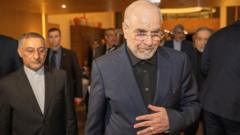
Trump issues warning to Iran during Geneva nuclear negotiations, demanding Hezbollah restraint in Lebanon. Latest developments in US-Iran diplomatic tensions an...
Trump Issues Fresh Warning to Iran During Switzerland Talks
Diplomatic tensions have escalated significantly as Trump Iran nuclear talks continue in Switzerland, with the US president delivering stern warnings from Washington. Although Trump remains absent from the negotiation table, his administration has made clear that military action remains a possibility if Iran fails to curb Hezbollah's activities in Lebanon.
The latest round of Trump Iran nuclear talks represents a critical moment in US-Middle East relations. Sources indicate that American negotiators have been tasked with delivering the president's ultimatum regarding Iran's support for regional proxy forces. The talks, held in Geneva, come at a time when tensions between Washington and Tehran have reached new heights over multiple geopolitical issues.
Key Demands and Conditions
At the center of the ongoing Trump Iran nuclear talks is the issue of Iranian influence in Lebanon through Hezbollah. The Trump administration has consistently argued that Iran's financial and military support for the militant organization destabilizes the region and threatens Israel's security. Negotiators have emphasized that any agreement must include provisions addressing this regional concern.
The president's threat of military intervention underscores Washington's commitment to enforcing its demands. While previous administrations have relied on diplomatic channels, the current approach combines negotiation with the explicit possibility of military consequence. This dual strategy aims to pressure Iranian officials into making concessions on the Hezbollah issue during the Switzerland talks.
Iran's Position and Response
Iranian negotiators have responded cautiously to the American demands emerging from the Trump Iran nuclear talks. Tehran's representatives have indicated their willingness to engage in dialogue but have resisted what they characterize as external pressure regarding their regional relationships. The fundamental disagreement over Iran's right to support allied forces in neighboring countries remains a sticking point.
Iran's negotiating team has sought to separate the nuclear question from broader regional security concerns. However, the Trump administration has made clear that these issues are interconnected and cannot be addressed in isolation. This fundamental disagreement continues to complicate progress in the Trump Iran nuclear talks.
International Involvement and Mediation
Switzerland's role as host nation reflects its historical position as a neutral ground for sensitive diplomatic engagements. The country has maintained this tradition of facilitating dialogue between adversarial nations, including the Trump Iran nuclear talks. International observers have noted that Switzerland's involvement lends credibility to the negotiation process.
Other nations with interests in the outcome have monitored the Switzerland talks closely. European allies remain concerned about military escalation and have encouraged sustained diplomatic engagement. The broader international community recognizes that the resolution of Trump Iran nuclear talks could have significant implications for regional stability and global energy markets.
Implications for Middle East Stability
The Trump Iran nuclear talks carry profound consequences for Lebanon and surrounding regions. Hezbollah's military capabilities have grown significantly in recent years, and American policymakers view Iranian support as central to this expansion. Any agreement or breakdown in negotiations could alter the security calculus across the Middle East.
Regional analysts suggest that the outcome of the Switzerland talks will influence Israeli security strategy and Lebanese stability. If Trump Iran nuclear talks succeed in addressing Hezbollah's arsenal and funding, it could reduce tensions between Israel and militant groups. Conversely, a breakdown in negotiations could accelerate military confrontation.
Military Considerations and Escalation Risks
The president's explicit threat of military action during the Trump Iran nuclear talks marks a significant escalatory step. Military experts have assessed the feasibility and potential consequences of American strikes against Iranian nuclear facilities and military targets. Such action would represent a dramatic shift from the negotiation-focused approach of previous diplomatic efforts.
However, military intervention carries substantial risks, including potential Iranian retaliation and regional destabilization. The Trump administration appears to be leveraging the military threat as a negotiation tactic, hoping to convince Iranian officials that compromise on Hezbollah restrictions is preferable to military conflict. The effectiveness of this strategy remains uncertain as the Switzerland talks continue.
Timeline and Next Steps
Negotiators have outlined a preliminary timeline for the Trump Iran nuclear talks, with additional rounds planned in coming weeks. Both sides have indicated a willingness to continue engagement, though substantive progress has been limited thus far. The next phase of discussions will focus on the core issues that currently divide American and Iranian positions.
Observers expect that the Trump Iran nuclear talks may extend over several months, with periodic breaks for consultation with national leadership. The pressure to reach an agreement will intensify as geopolitical circumstances evolve and regional tensions fluctuate. Success would require significant concessions from both sides, particularly regarding Iran's regional activities and nuclear program restrictions.


