
Trump Reduces Military Exercises with South Korea Following Iran Conflict Stance
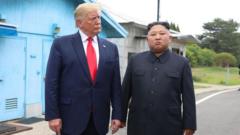
Trump announces significant reduction in US military drills with South Korea, citing improved relations with North Korea's leadership. Strategic shift in defens...
Trump Administration Announces Reduction in Military Exercises with South Korea
The Trump administration has announced plans to significantly reduce military exercises with South Korea, marking a notable shift in US defense strategy on the Korean peninsula. This decision to scale back military exercises comes as the administration emphasizes what it describes as a productive diplomatic relationship with North Korean leadership, representing a departure from previous confrontational approaches to regional security matters.
Strategic Rationale Behind the Decision
According to administration statements, the decision to downsize military exercises with South Korea stems from what Trump characterizes as a "very good relationship" with North Korea's leader. This diplomatic overture reflects the administration's broader strategy of engagement rather than escalation in the region, a approach that has gained prominence in recent years as negotiations continue between the two nations.
The reduction in military exercises represents a tangible demonstration of the administration's commitment to improving inter-Korean relations and reducing tensions on the peninsula. By scaling back these large-scale joint drills, officials believe the move signals genuine interest in maintaining diplomatic channels and creating space for continued dialogue with North Korean counterparts.
Military Exercises and Regional Stability Considerations
Military exercises between the United States and South Korea have traditionally served as demonstrations of allied military readiness and coordination. These joint operations typically involve thousands of troops and sophisticated military equipment, designed to maintain deterrence against potential threats from North Korea. The decision to reduce the scope of these drills raises important questions about how regional security will be maintained during this period of diplomatic experimentation.
Defense analysts note that while reducing military exercises can signal peaceful intentions, maintaining adequate military preparedness remains crucial for the security of both South Korea and the broader Indo-Pacific region. The balance between demonstrating commitment to diplomatic engagement and ensuring military readiness presents a complex strategic challenge for policymakers.
Implications for US-South Korea Alliance
South Korea has historically relied on US military presence and joint defense preparations as a cornerstone of its national security strategy. The announcement of scaled-back military exercises may require adjustments to Seoul's own defense planning and military readiness assessments. Officials in South Korea will need to evaluate how reduced joint exercises impact their preparedness and deterrent capabilities.
The decision also reflects broader questions about the nature of US commitments to regional allies and how security partnerships evolve in response to shifting diplomatic priorities. Long-standing defense relationships may require recalibration to accommodate new strategic approaches while maintaining the fundamental security guarantees that have underpinned regional stability for decades.
North Korea Diplomatic Framework
The administration's emphasis on its relationship with North Korean leadership indicates a preference for dialogue over military posturing. This approach aligns with recent diplomatic initiatives aimed at negotiating issues ranging from nuclear capabilities to sanctions relief. By reducing military exercises with South Korea, the administration aims to create an environment more conducive to these ongoing negotiations.
The diplomatic strategy centers on the premise that reducing visible military activities can build trust and create momentum for constructive discussions. Officials believe that demonstrating restraint in military operations signals seriousness about finding peaceful solutions to longstanding regional disputes.
Strategic Implications Going Forward
The scaling back of military exercises marks a significant moment in US-Korea-North Korea relations, reflecting the Trump administration's distinctive approach to regional security challenges. As this policy unfolds, observers will monitor whether reduced military activities lead to substantive diplomatic breakthroughs or whether security concerns resurface, necessitating adjustments to this strategy.
The long-term success of this approach will depend on concurrent diplomatic efforts and whether negotiations with North Korea yield meaningful progress on key security issues. Both allies and critics of the policy will be watching closely to assess whether this reduction in military exercises strengthens or weakens overall regional stability and security arrangements.


