
Thousands Flock to Tehran for Ayatollah Khamenei's Funeral Ceremonies
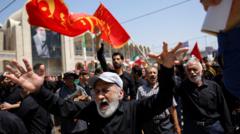
Large crowds gather in Tehran for Ayatollah Khamenei's funeral. His body lies in state at Grand Mosalla through Monday before traveling Iran and Iraq.
Massive Crowds Pay Respects at Tehran Funeral
Thousands of mourners have descended upon Iran's capital to participate in what has become one of the nation's most significant ceremonies in recent memory. The funeral proceedings for Ayatollah Khamenei have drawn unprecedented attendance, with citizens gathering to honor the prominent religious and political figure. The Ayatollah Khamenei funeral represents a historic moment for the Islamic Republic, marking the conclusion of his era of leadership.
Body Lies in State at Grand Mosalla
The remains of Ayatollah Khamenei are positioned at Tehran's Grand Mosalla, one of the nation's most important religious sites. This location has been chosen specifically for the solemnity and spiritual significance it carries within Islamic tradition. The viewing period extends through Monday, allowing citizens from across the capital and surrounding regions the opportunity to pay their final respects. The Grand Mosalla serves as a fitting venue given its capacity to accommodate the enormous crowds that have gathered.
Journey Across Iran and Iraq
Following the initial ceremonies in Tehran, the procession will undertake an extensive journey spanning multiple regions. The route will carry Ayatollah Khamenei's body across Iranian territory, visiting significant cities and religious centers throughout the nation. The funeral procession will subsequently travel into Iraq, reflecting the deep religious connections between the two countries and acknowledging the prominent role the late leader held within broader Shia Islamic communities across the Middle East. This geographical scope underscores the significance of his influence beyond Iran's borders.
Religious Significance and Mourning Traditions
The funeral observances reflect longstanding Islamic funeral customs and traditions central to Shia practice. The extended viewing period allows for the proper performance of Islamic rites and gives the broader population adequate time to participate in communal mourning. These ceremonies represent not merely a personal loss but a moment of national and regional reflection on leadership, faith, and continuity within the Islamic Republic's governance structure. The gathering of such large crowds demonstrates the deep connection many citizens felt with Ayatollah Khamenei's religious and political guidance.
National and International Attention
The extensive funeral proceedings have attracted not only local and national attention but also international focus on Iran's transition period. The movement of Ayatollah Khamenei's remains through various locations symbolizes the interconnectedness of Iran's regions and its religious significance throughout the Islamic world. The attendance and participation levels highlight the organizational capacity of Iranian institutions and the emotional response from the population. As the ceremonies continue through the week, the journey will provide additional opportunities for citizens in other regions to participate in these commemorative events and reflect on the historical moment.


