
Starmer's Defence Spending Plan Creates £4.7bn Challenge for Future PM
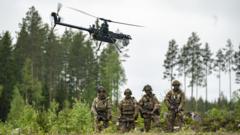
Keir Starmer's defence budget announcement leaves his successor facing significant financial pressures. Explore how £4.7bn impacts Britain's defence planning an...
Labour's Defence Commitment Presents Financial Puzzle for Successor
Prime Minister Keir Starmer's recent Starmer defence spending announcement has generated considerable debate within Westminster corridors about the true financial burden facing the next occupant of Number 10. While the commitment to increase military investment demonstrates resolve on national security, analysts warn that the underlying structural issues will create substantial complications for whoever inherits the premiership.
The defence sector finds itself in a precarious position following Starmer's pronouncements on military funding. Officials acknowledge that enhanced Starmer defence spending commitments, while politically necessary, leave unresolved questions about sustainability and resource allocation across competing priorities.
Understanding the £4.7bn Financial Headache
The £4.7 billion gap represents far more than a simple budgetary discrepancy. This substantial figure encompasses infrastructure requirements, personnel costs, equipment maintenance, and technological modernisation that cannot be indefinitely postponed. Defence planners have outlined multiple strategic challenges that demand investment, yet the financial landscape remains constrained by broader economic circumstances.
Within the Ministry of Defence, senior staff recognise that deferring these expenditures merely transfers the burden forward. The longer-term implications suggest that whoever assumes leadership after Starmer will inherit not merely the announced commitments, but also accumulated pressures from deferred modernisation programmes and aging military platforms requiring replacement.
Military Readiness and Strategic Considerations
Britain's defence posture internationally depends upon maintaining credible capabilities across multiple domains. The current geopolitical environment—marked by heightened tensions, technological advancement requirements, and NATO commitments—means that military spending reductions become increasingly problematic from a strategic perspective.
The UK defence budget calculations must account for several critical factors. Personnel retention in an increasingly competitive labour market demands competitive compensation structures. Equipment sustainability requires continuous investment in maintenance and upgrades. NATO obligations establish baseline commitments that cannot be negotiated away. Nuclear deterrent programmes continue regardless of electoral cycles.
Political Implications and Parliamentary Pressure
Starmer's defence announcements reflect broader political calculations about public perception and international credibility. However, the financial architecture underlying these statements creates genuine constraints for future administrations. Parliamentary scrutiny will intensify as successor governments attempt reconciling defence ambitions with fiscal realities.
The military funding challenge extends beyond simple arithmetic. Opposition parties will scrutinise whether commitments represent genuine policy shifts or rhetorical positioning. International allies assess British security capabilities through the lens of sustained investment patterns, not single-year announcements.
Sector Response and Implementation Questions
Defence contractors, military personnel, and strategic analysts have observed that Starmer's pronouncements contain ambiguities regarding implementation timelines and funding mechanisms. The difference between announced commitments and actual budgetary allocation remains substantial. Previous governments have struggled with similar gaps between defence policy rhetoric and defence budgets available for practical application.
Armed forces currently manage multiple competing demands with constrained resources. Personnel shortages in critical specialisations, vessel maintenance backlogs, equipment obsolescence, and facility upgrades all require investment. The next administration will face pressure to address these accumulated challenges whilst maintaining Britain's international standing.
Forward Planning and Governance Challenges
The British defence policy framework requires longer-term strategic planning extending well beyond electoral cycles. The successor to Starmer will inherit not only immediate financial pressures but also ongoing modernisation programmes and capability development initiatives that demand sustained commitment.
Government advisors acknowledge that government spending decisions regarding defence involve multiple stakeholders with competing interests. Treasury officials prioritise fiscal constraints and debt reduction targets. Defence officials emphasise capability gaps and strategic risks. Political leaders balance these considerations against public service expectations and electoral calculations.
The incoming administration will require detailed analyses of which defence priorities deserve funding emphasis, how to structure spending to maximise strategic value, and whether additional resources genuinely become available or whether defence receives increased allocations through reductions elsewhere in government spending frameworks.
Conclusion: A Complex Legacy
Keir Starmer's defence spending announcements, while politically significant, establish conditions that will challenge his successor considerably. The £4.7 billion shortfall represents genuine strategic concerns requiring resolution through policy choices and resource allocation decisions. Whether the next Prime Minister addresses these questions through increased overall defence investment, strategic prioritisation within existing budgets, or alternative approaches remains uncertain. What seems clear is that military planning cannot pause for political transitions, and the pressures that create today's challenges will intensify without decisive action from future governments.


