
Starmer Steps Down as Labour Chief Ahead of Leadership Contest
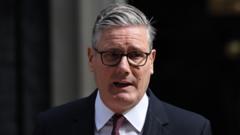
Keir Starmer announces his resignation as Labour leader, triggering an internal contest for the next party chief. Read the latest political developments.
Starmer Labour Leader Resignation Marks Major Political Shift
Sir Keir Starmer has announced his decision to step down from his position as Labour leader, opening the door for a significant leadership transition within the party. The Starmer Labour leader resignation comes after delivering an official statement from his official residence, signaling the end of an era for the governing party and setting the stage for what promises to be a competitive internal selection process.
Details of the Official Announcement
During a carefully orchestrated statement delivered at his official quarters, Sir Keir outlined his intention to depart from his current leadership role. The decision to step down marks a pivotal moment for the Labour party, which now faces the prospect of identifying and electing a new chief to guide the organization moving forward. The timing of this announcement carries significant implications for the party's strategic direction and internal dynamics.
The Labour Leadership Contest Framework
With Starmer's departure confirmed, the Labour party is now positioned to commence its formal leadership contest procedures. This internal election process will allow party members to nominate and vote for candidates they believe are best suited to lead the organization into the future. The Labour leadership contest represents an opportunity for the party to reassess its priorities, policy positions, and electoral strategy during a critical period in British politics.
Expected Candidate Pool
Political observers anticipate that several prominent Labour figures will likely emerge as contenders in the upcoming race. These potential candidates represent different ideological perspectives and leadership philosophies within the party, ensuring that party members will have meaningful choices as they determine who should guide Labour's future trajectory.
Implications for UK Political Leadership
Sir Keir's decision to resign carries profound consequences for UK political leadership more broadly. The transition at the Labour party level will influence parliamentary dynamics, opposition strategy, and the broader competitive landscape of British politics. As the party navigates this leadership change, questions will inevitably arise regarding policy continuity, organizational renewal, and the party's vision for the next electoral cycle.
Party Response and Transition Planning
The Labour party has begun preparations to manage this transition professionally and systematically. Senior party officials are establishing timelines and procedural guidelines to ensure that the leadership election proceeds smoothly and maintains public confidence in the organization's democratic processes. This transition period will test the party's institutional strength and cohesion during a time of internal change.
Looking Ahead: Future Direction
As the Labour party prepares for its leadership contest, stakeholders across the political spectrum are observing how the party will navigate this significant change. The selection of a new leader will influence Labour's positioning on key national issues, its approach to parliamentary strategy, and its readiness for potential future electoral challenges. The party's ability to conduct an orderly transition while maintaining unity will be closely scrutinized by both supporters and critics alike.
The departure of Sir Keir Starmer represents a watershed moment in recent British political history, marking the conclusion of one chapter and the beginning of another for the Labour party and its millions of supporters throughout the United Kingdom.


