Starmer Advises Burnham on Diplomatic Priorities
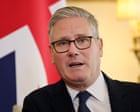
Starmer warns Burnham that international diplomacy demands cannot be reduced. The PM discusses his resignation decision in exclusive BBC interview.
Starmer Warns Burnham on Diplomatic Commitments
In his first major interview since announcing his resignation, Prime Minister Keir Starmer has emphasized that Starmer Burnham diplomacy will remain a critical focus for any incoming leader. The outgoing premier made clear to his likely successor Andy Burnham that reducing commitment to international relations is simply not feasible in the modern political landscape.
Starmer's candid remarks underscore the reality that whoever assumes the top office must accept substantial international responsibilities. The warning comes as speculation intensifies regarding potential candidates to replace him, with Burnham emerging as a frontrunner in internal party discussions.
An Intensely Personal Decision
During the BBC interview, Starmer reflected on what he described as an "intensely personal" choice to step down from his position as prime minister. After serving for approximately two years, the decision to announce his resignation last month was not taken lightly, he indicated.
The former premier explained that the role demands unwavering commitment across multiple demanding dimensions. He stressed that any successor must fully comprehend the breadth of responsibilities that extend far beyond domestic policy considerations. International diplomacy, he emphasized, forms a cornerstone of modern leadership that cannot be sidelined or minimized.
The Reality of Global Engagement
Starmer's warning about Starmer Burnham diplomacy highlights a fundamental truth in contemporary governance: the prime minister of the United Kingdom cannot afford to reduce engagement with the international community. The position requires constant attention to foreign relations, multilateral negotiations, and global partnerships.
The outgoing leader pointed out that diplomatic obligations span numerous areas including trade negotiations, security partnerships, and international coalition-building. These commitments demand continuous personal involvement and cannot be delegated entirely to junior ministers or diplomats. The weight of these responsibilities shapes much of what occupies a prime minister's daily schedule.
Burnham's Potential Path Forward
Andy Burnham, the Greater Manchester mayor and likely successor, faces the reality of inheriting these extensive diplomatic obligations. As one of the leading candidates to take over party leadership, Burnham must prepare himself for a role that extends significantly beyond domestic politics.
The conversation between Starmer and Burnham about international affairs represents a crucial handover of institutional knowledge. Understanding the true demands of the office—particularly regarding international engagement—becomes essential preparation for anyone seeking the highest political office in the country.
The Broader Context of Leadership
Starmer's public warnings serve as an important reality check for potential successors. The nature of the prime ministerial role has evolved such that global affairs now constitute an inescapable element of the job description. The interconnected nature of modern economies, security threats, and political challenges means that any leader must maintain active engagement internationally.
This acknowledgment reflects the complexity of twenty-first-century governance, where domestic success cannot be achieved in isolation from international considerations. Trade relationships, security arrangements, climate commitments, and diplomatic alliances all require sustained attention from the highest levels of government.
Reflection on Two Years in Office
The prime minister's reflections on his tenure reveal how consuming the role has proven. Two years at the helm apparently convinced Starmer of the impossibility of reducing international focus without compromising the nation's interests abroad.
His decision to resign, described as intensely personal, likely reflects not merely political calculation but genuine assessment of the demands inherent in the position. The message he sends through these statements is unambiguous: whoever follows must embrace the full scope of the role, including its demanding diplomatic dimensions.
The interview represents an important moment of candid reflection from outgoing leadership, offering valuable perspective to those contemplating succession. Starmer's emphasis on the inescapability of diplomatic responsibilities frames the debate about future leadership in realistic terms, acknowledging that significant aspirations for the premiership must account for the extensive international engagement that the position demands.