
Spain Implements Border Control Measures Against Italy Amid Ceuta Migration Crisis
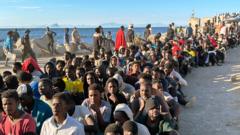
Spain enforces border controls against Italy as tensions escalate over migrant flows into Ceuta. Discover the latest developments in this escalating European mi...
Spain Initiates Strict Border Control Measures Against Italy
Spain has implemented comprehensive border control measures targeting Italy as tensions intensify regarding the unprecedented migrant situation affecting the Spanish exclave of Ceuta. The escalation marks a significant shift in diplomatic relations between the two Mediterranean nations, with Spain responding to what officials describe as an unmanageable influx of individuals crossing into the territory.
The decision to enforce Spain border controls Italy demonstrates the growing frustration Spanish authorities face as they struggle to manage the consequences of mass migration patterns affecting the region. The Spanish government has determined that implementing stricter surveillance and documentation procedures at border checkpoints represents a necessary step to address the ongoing humanitarian and administrative challenges.
Understanding the Ceuta Migration Context
Ceuta, a small autonomous city located on the North African coast approximately 14 kilometers from the Spanish mainland, has emerged as a critical focal point in Europe's ongoing migration debates. This Spanish enclave, surrounded by Moroccan territory, has historically served as a gateway for individuals seeking entry into European Union territory.
The dramatic surge in migrant arrivals has strained local infrastructure and resources significantly. Officials report that approximately 78,000 migrants from neighboring Morocco have entered the Ceuta exclave, creating unprecedented pressure on accommodation facilities, healthcare services, and administrative systems. This substantial number represents a crisis-level situation that has prompted urgent governmental responses across multiple administrative levels.
Italy's Earlier Response and Regional Implications
Italy initially introduced its own border control mechanisms in reaction to the growing migrant crisis affecting Spanish territories. However, Spain's subsequent decision to impose countermeasures against Italy reflects broader frustrations within Spanish leadership regarding the distribution and management of migration across European borders.
The bilateral tension between Spain and Italy underscores deeper disagreements about responsibility-sharing in addressing continental migration challenges. Both nations argue they bear disproportionate burdens compared to other EU member states, particularly those positioned further north with fewer geographic vulnerabilities to Mediterranean migration routes.
Diplomatic and Administrative Ramifications
The implementation of these border controls raises complex questions about intra-European movement and the Schengen Agreement principles. Typically, border restrictions within the EU are considered exceptional measures, reserved for situations involving genuine public security threats or exceptional circumstances.
Spanish authorities justify their actions by citing the extraordinary nature of current migration flows and their potential destabilization effects on regional stability. The government contends that temporary border controls represent a proportionate response to an acute crisis situation requiring immediate intervention.
Broader European Migration Challenges
This situation reflects persistent vulnerabilities in Europe's external borders and the uneven distribution of migration pressures. Mediterranean nations, particularly Spain and Italy, continue absorbing disproportionate numbers of migrant arrivals compared to continental peers.
The Ceuta crisis exemplifies how geographic positioning creates asymmetrical challenges for certain member states. Spain's location on the Mediterranean Sea, combined with Ceuta's unique status as a European enclave in North Africa, positions it as an inevitable gateway for individuals attempting to reach European Union territory through alternative routes.
Looking Forward: Policy Responses and International Coordination
Spanish and Italian officials have indicated their commitment to resolving disputes through dialogue while simultaneously demanding greater support from EU institutions. Both nations argue that migration management requires comprehensive continental solutions rather than unilateral national responses.
The escalating situation demonstrates that effective migration policy demands coordinated international approaches involving resource-sharing, burden-distribution agreements, and enhanced border management technologies. Without such comprehensive frameworks, individual nations will continue implementing isolated measures that create diplomatic friction and complicate travel across member states.
As Spain implements border controls against Italy and maintains heightened security at its Ceuta gateway, the European Union faces mounting pressure to develop coherent migration strategies addressing root causes while supporting frontline member states adequately.


