
Rotterdam Port Faces Legal Push to Accelerate Green Energy Transition
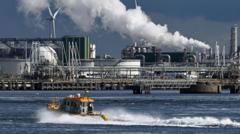
Environmental lawsuit pressures Rotterdam Port to speed up fossil fuel phase-out. Discover how Europe's largest shipping hub is responding to sustainability dem...
Legal Challenge Drives Rotterdam Port's Environmental Accountability
The Rotterdam Port green transition has become the focal point of intense legal scrutiny as environmental advocates escalate demands for the port authority to demonstrate concrete progress in reducing reliance on fossil fuel operations. A formal lawsuit filed against Europe's largest maritime facility underscores growing pressure from climate-conscious stakeholders who believe current sustainability measures fall short of urgency required to meet global climate commitments.
Understanding the Lawsuit and Its Implications
The legal action represents a significant moment in the port's environmental journey, compelling Rotterdam Port administrators to accelerate timelines for transitioning away from carbon-intensive practices. The plaintiffs argue that the current pace of change is insufficient given the critical nature of climate change and the port's substantial contribution to European emissions. This development reflects broader trends across global shipping industries where regulatory bodies and civil society organizations increasingly hold major infrastructure operators accountable for environmental performance.
Core Environmental Concerns
Rotterdam Port's operations currently support thousands of ships annually, generating substantial greenhouse gas emissions through fuel consumption and energy-intensive logistics operations. The lawsuit specifically targets the port's continued partnerships with fossil fuel companies and the infrastructure developed to support their activities. By filing this legal challenge, environmental groups aim to establish precedent for how major European ports should approach decarbonization and demonstrate that market forces alone may not drive sufficient transformation within expected timeframes.
The Port's Strategic Response to Sustainability Pressures
Rotterdam Port management acknowledges the mounting expectations from European governments, shipping operators, and environmental organizations regarding the Rotterdam Port green transition. The facility has implemented various initiatives aimed at reducing emissions, including investments in renewable energy infrastructure, modernized cargo handling equipment, and partnerships with shipping lines exploring alternative fuels. However, critics contend these measures, while meaningful, lack the comprehensive scope and aggressive timelines necessary to substantively address the port's carbon footprint.
Current Sustainability Initiatives in Place
The port authority operates several programs designed to improve environmental performance. Shore power systems allow docked vessels to disconnect diesel generators and connect to electrical grid supplies. Investment in renewable energy sources for port operations has expanded significantly, with solar and wind projects providing supplementary power. Additionally, Rotterdam Port has developed incentive programs encouraging shipping companies to adopt cleaner fuel alternatives and more efficient navigation routes.
Broader Context: European Ports Under Environmental Scrutiny
The lawsuit against Rotterdam Port reflects wider European pressures on major maritime facilities to fundamentally restructure operations toward sustainability. The European Union's increasingly stringent emissions regulations establish clear pathways for ports to reduce their environmental impact. Ships calling at EU ports must comply with evolving standards regarding fuel quality, emissions monitoring, and alternative energy adoption. This regulatory environment creates both challenges and opportunities for Rotterdam Port as it navigates the path toward comprehensive environmental responsibility.
Similar legal challenges and environmental campaigns have targeted other major European ports, creating a ripple effect throughout the shipping industry. The outcomes of these disputes will likely influence how ports worldwide approach sustainability investments and corporate environmental commitments. Rotterdam Port's response to this lawsuit will set important precedents for the maritime sector.
Timeline and Future Expectations
The legal proceedings will unfold over coming months and potentially years, depending on judicial timelines and settlement negotiations. During this period, Rotterdam Port faces intensifying pressure to demonstrate tangible progress in its sustainability agenda. Industry observers expect the port authority to announce expanded timelines and financial commitments for fossil fuel phase-out initiatives. Stakeholders will closely monitor whether the court proceedings accelerate meaningful environmental transformation or simply delay inevitable change.
Conclusion: Toward a Sustainable Maritime Future
The lawsuit demanding Rotterdam Port accelerate its green energy transition represents a critical inflection point for Europe's largest shipping facility. Whether through judicial mandate or proactive corporate strategy, the port must demonstrate commitment to meaningful environmental stewardship. The outcome of this legal challenge will likely reverberate throughout European maritime infrastructure, potentially establishing new standards for how major ports approach their responsibility in combating climate change. Rotterdam Port's evolution from fossil fuel-dependent facility to sustainable logistics hub remains incomplete but increasingly urgent.


