
Qatar LNG facility explosion leaves 13 dead and dozens injured
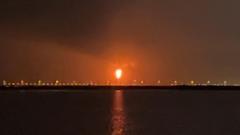
A technical accident at Qatar's main liquified natural gas processing plant in Ras Laffan industrial zone kills at least 13 people and injures dozens.
Major Incident at Qatar's Largest Gas Facility
A significant Qatar LNG explosion has resulted in at least 13 confirmed fatalities and numerous injuries following a technical malfunction at one of the nation's most critical energy infrastructure sites. The incident occurred at the liquified natural gas processing facility located within the Ras Laffan industrial zone, a major hub for hydrocarbon production and export operations in the Persian Gulf region.
Details of the Technical Accident
Authorities have classified the occurrence as a "technical accident" rather than a deliberate act or natural disaster. The Qatar LNG facility in Ras Laffan represents a cornerstone of the country's energy export economy, processing and liquefying natural gas for international markets. The malfunction triggered immediate emergency response protocols, with rescue teams mobilized to the site within minutes of the initial incident.
Emergency Response and Investigation
Emergency responders from multiple agencies converged on the Ras Laffan industrial zone to manage the crisis and conduct rescue operations. Medical teams treated dozens of injured workers, with the total casualty count continuing to be assessed as investigations progressed. The site, which operates continuously, underwent immediate shutdown procedures following the explosion, halting production operations while safety assessments were conducted.
Impact on Qatar's Energy Sector
The Qatar LNG explosion raises critical questions about operational protocols and safety measures at one of the world's largest liquified natural gas exporters. The nation is a key supplier of LNG to international markets, and any disruption to processing capabilities carries significant implications for global energy supplies. Officials announced that structural assessments would determine when normal operations could safely resume.
Preliminary Findings
Initial investigation into the technical accident pointed to equipment malfunction as the primary contributing factor. Engineers and safety experts were deployed to examine all systems and identify specific mechanical failures that preceded the explosion. The Ras Laffan industrial zone, which spans a vast area and houses multiple processing units, required comprehensive inspection across all facilities to ensure no secondary hazards remained.
Support for Affected Families
Government officials expressed condolences to victims' families and announced immediate assistance programs for those injured in the Qatar LNG explosion. Worker compensation and medical support services were activated, with hospitals throughout the region prepared to handle the influx of patients requiring specialized care for blast-related injuries.
Safety Protocol Review
Following any major industrial incident, regulatory bodies conduct thorough reviews of existing safety protocols. The technical accident at the liquified natural gas facility prompted authorities to examine maintenance schedules, equipment inspection procedures, and emergency response training across all industrial operations in Ras Laffan. Similar facilities worldwide were expected to review comparable systems as a precautionary measure.
Ongoing Developments
Officials continued gathering evidence and witness testimonies regarding the sequence of events leading to the explosion. The Qatar LNG explosion investigation would likely extend over several months as engineers analyzed technical data, reviewed maintenance records, and interviewed personnel who were present during the incident. International safety consultants may be brought in to provide independent assessment of conditions and contributing factors.
The incident at Ras Laffan serves as a stark reminder of the inherent risks associated with processing highly pressurized and flammable materials at industrial scales. Enhanced safety measures and updated equipment specifications may result from detailed post-incident analysis to prevent recurrence of similar technical accidents at this facility and others throughout the region.


