Privacy Watchdog Investigates Bedroom Surveillance in NHS Mental Health Units

Information Commissioner launches investigation into Oxevision camera system used by 40% of NHS mental health trusts over data protection and privacy concerns.
Information Commissioner Launches Formal Investigation into Bedroom Surveillance
The UK's information commissioner has initiated a comprehensive inquiry into bedroom surveillance systems deployed across NHS mental health facilities, examining significant data protection issues surrounding widespread monitoring practices. The investigation centers on Oxevision, a camera-based observation platform currently implemented by approximately 40% of NHS mental health trusts across the nation, raising critical questions about patient privacy rights and regulatory compliance.
Oxevision System Deployment Across NHS Trusts
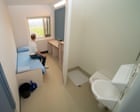
Oxevision represents one of the most extensive surveillance implementations in UK healthcare settings, with its adoption spanning four out of every ten mental health trusts nationwide. The system utilizes camera technology positioned in patient bedrooms to monitor individuals during vulnerable moments, fundamentally altering the therapeutic environment within psychiatric wards. This widespread integration into mental health infrastructure has occurred despite growing concerns from patients, families, and mental health advocates regarding the appropriateness and necessity of continuous bedroom monitoring.
Documented Patient Concerns and Privacy Objections
Service users subjected to bedroom surveillance through the Oxevision system have consistently characterized the experience as invasive and distressing. Patient testimonies describe the monitoring setup as "creepy" and compare its operational function to deliberate spying on vulnerable individuals. These characterizations reflect deeper anxieties about surveillance in spaces traditionally considered private sanctuaries within institutional settings. The psychological impact extends beyond discomfort, with documented cases illustrating how constant observation may exacerbate existing mental health conditions rather than supporting recovery and therapeutic progress.
Tragic Case Highlighting Surveillance Risks
A particularly concerning incident has elevated scrutiny of bedroom surveillance practices, involving a bereaved mother who attributes her daughter's deteriorating mental state partly to the surveillance environment. The daughter, experiencing increasing paranoia while subject to continuous monitoring, ultimately took her own life. The mother's account suggests that rather than enhancing safety, pervasive bedroom observation may have intensified psychological distress by reinforcing feelings of persecution and loss of autonomy. This tragic outcome underscores potential unintended consequences of surveillance-based monitoring approaches in vulnerable population settings.
Data Protection Implications and Regulatory Response
The information commissioner's formal investigation into bedroom surveillance addresses fundamental data protection questions surrounding the collection, storage, and utilization of intimate personal information captured within private bedroom spaces. The inquiry examines whether NHS trusts implementing Oxevision have obtained appropriate consent from patients, whether surveillance aligns with legitimate healthcare purposes, and whether data security measures adequately protect sensitive recordings. These regulatory concerns extend beyond technical compliance to encompass ethical dimensions of monitoring practices in therapeutic contexts.
Broader Questions About Mental Health Surveillance Ethics
The investigation into bedroom surveillance systems raises important questions about contemporary approaches to patient safety and risk management in psychiatric facilities. Mental health professionals have increasingly relied on technological monitoring solutions, sometimes prioritizing observation-based safety protocols over relational and therapeutic interventions. The bedroom surveillance debate challenges assumptions about whether constant camera-based monitoring genuinely improves outcomes or whether alternative care models might better serve vulnerable populations without compromising privacy and dignity.
Support Resources for Mental Health Crises
Individuals experiencing mental health emergencies or suicidal thoughts can access professional support through multiple channels. In the United Kingdom and Ireland, Samaritans provide confidential support via freephone 116 123. United States residents can contact the National Suicide Prevention Lifeline by calling or texting 988, accessing online chat at 988lifeline.org, or texting HOME to 741741 for crisis counseling. Australian residents can reach Lifeline crisis support at 13 11 14. International helplines are available through befrienders.org.