
Poland Braces for Critical Months as Russian Threat Escalates
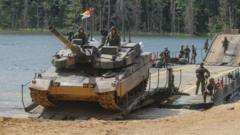
Polish Prime Minister Tusk warns of critical months ahead amid Russian tensions. Poland prepares for various scenarios following reports of potential military t...
Poland Faces Critical Period Amid Russian Threat Escalation
Poland is entering a critical phase as the Russian threat continues to dominate geopolitical concerns in Eastern Europe. Prime Minister Donald Tusk has issued a formal warning that the nation must prepare for the months ahead, signaling the seriousness with which Warsaw views current security challenges emanating from its eastern border.
Tusk's Assessment of the Situation
In recent statements, the Polish Prime Minister emphasized that Poland is implementing comprehensive preparations for multiple scenarios. Tusk's cautious approach reflects intelligence assessments and media reports that have outlined potential military operations that could affect the region. The warning represents an escalation in official rhetoric regarding security matters.
Tusk has consistently advocated for strengthened NATO cooperation and enhanced defense readiness across European member states. His statements come as European leaders increasingly focus on the unpredictable nature of regional security dynamics.
Preparations for Various Scenarios
Polish authorities have outlined a multi-pronged approach to address potential security challenges. The government is evaluating various contingency plans designed to protect national interests and ensure civilian safety. These preparations encompass military readiness, emergency response protocols, and coordination with international allies.
The Russian threat assessment includes consideration of hybrid warfare tactics, cyberattacks, and conventional military operations. Polish defense planners are working to ensure the nation possesses adequate resources and strategic positioning to respond effectively to any developments.
Media Reports and Intelligence Findings
Recent media coverage has focused on reports suggesting potential Russian military planning that could directly impact Poland. While official details remain limited for security reasons, intelligence agencies have briefed government officials on their assessments of Russian intentions and capabilities in the region.
These reports have prompted government officials to accelerate certain preparedness measures and increase public communication regarding national security matters. The transparency reflects an effort to ensure public awareness without compromising operational security.
NATO and European Response
Poland's warnings align with broader NATO discussions regarding collective defense and deterrence strategies. As a frontline member state, Poland plays a crucial role in European security architecture. The nation has consistently pushed for stronger NATO presence in Eastern Europe and increased defense spending across allied nations.
Tusk's statements have resonated with other European leaders who share concerns about regional stability. Coordination between Polish authorities and international partners remains essential for developing comprehensive responses to emerging threats.
Domestic Security Measures
Beyond diplomatic and military preparations, Poland is reviewing domestic security infrastructure. Government agencies are enhancing emergency response capabilities and ensuring that critical systems remain protected against various threat vectors. These measures represent ongoing investments in national resilience.
The public has been advised to remain vigilant while continuing normal activities. Authorities have established communication channels for emergency situations and are conducting regular drills to test response capabilities.
Looking Forward
The critical months ahead will determine how effectively Poland and its allies can maintain stability in the region. Tusk's warning serves as both an acknowledgment of current realities and a call for continued vigilance. Poland remains committed to working with NATO partners to address security challenges while supporting international efforts to resolve conflicts through diplomatic channels where possible.
The situation underscores the complex security landscape facing Central European nations and reinforces the importance of sustained international cooperation in maintaining regional peace and stability.


