Parliament Faces Fire Risk Without Urgent Renovation Funding
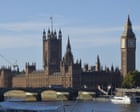
Palace of Westminster at risk of catastrophic fire like Notre Dame. Maintenance costs could reach £2m weekly. Urgent parliamentary action needed.
Parliament Faces Critical Fire Risk Without Immediate Renovation Funding
The Palace of Westminster confronts mounting concerns about Parliament renovation funding as maintenance expenses threaten to escalate dramatically. According to a recent parliamentary committee report, the Grade I-listed building and UNESCO world heritage site faces catastrophic risks comparable to the 2019 Notre Dame fire unless lawmakers prioritize comprehensive refurbishment initiatives and secure adequate financial resources.
Escalating Maintenance Costs Demand Urgent Action
Financial projections presented to Parliament indicate that maintenance expenses could surge to approximately £2 million per week in coming years. These substantial figures encompass continuous security measures, including 24-hour patrols specifically designed to identify and prevent potential fire hazards throughout the historic complex. The deteriorating infrastructure of the 160-year-old building amplifies vulnerability to various emergencies.
The Fire Risk Challenge
The committee's assessment emphasizes that Parliament renovation funding represents not merely a financial consideration but a critical safety imperative. The Palace of Westminster contains numerous materials vulnerable to fire, aged electrical systems requiring modernization, and complex structural elements that demand specialized attention. Without systematic restoration efforts, risks multiply exponentially.
Historical Context and Comparisons
The devastating Notre Dame Cathedral fire in April 2019 resulted in catastrophic damage to one of Europe's most iconic structures, destroying the medieval roof and spire while threatening the entire building's integrity. Investigators identified deficient maintenance protocols and aging infrastructure as contributing factors. Parliamentary experts warn that similar vulnerabilities exist at Westminster if renovation initiatives remain stalled.
Delayed Decision-Making and Political Disagreement
The Palace of Westminster has undergone repeated consultations and planning phases over two decades regarding comprehensive restoration strategies. However, fundamental disagreements about implementation methodologies, budget allocations, and project sequencing have consistently postponed decisions. Some lawmakers advocate for phased renovations maintaining limited parliamentary operations, while others recommend complete evacuation enabling total structural rehabilitation.
These divergent approaches reflect broader concerns about disrupting legislative functions, managing taxpayer expenses, and establishing appropriate restoration priorities. The parliamentary committee's intervention signals growing frustration with prolonged indecision that continues jeopardizing the building's future.
UNESCO World Heritage Status Responsibilities
As a designated UNESCO world heritage site, the Palace of Westminster carries international obligations regarding preservation standards. UNESCO designations acknowledge exceptional cultural, historical, and architectural significance requiring protection through comprehensive conservation efforts. Deferred maintenance undermines these responsibilities and contradicts international commitments to preserve humanity's shared architectural heritage.
The building's Grade I listing under the UK's heritage protection framework similarly mandates rigorous preservation standards. These designations underscore Westminster's irreplaceable status within British and global cultural contexts, intensifying pressure for decisive action regarding Parliament renovation funding.
Security and Prevention Infrastructure
Current expenditures include extensive firefighting equipment, advanced detection systems, and comprehensive security protocols requiring constant investment. The 24-hour patrol system represents substantial ongoing costs that address symptoms rather than underlying structural vulnerabilities. Permanent solutions demand systematic renovation addressing aged infrastructure, electrical systems, and architectural vulnerabilities creating fire susceptibility.
Engineers have identified multiple risk areas requiring priority attention, including vulnerable roof structures, deteriorated stonework, and complex mechanical systems. Addressing these comprehensively through renovation represents the only sustainable approach to eliminating catastrophic risk scenarios.
Implications for Parliamentary Operations
Parliamentary committees recognize that indefinite postponement of Parliament renovation funding creates untenable situations for legislators and heritage preservation specialists. Balancing continuity of democratic processes with essential safety measures demands innovative solutions and political commitment. The longer decision-making delays persist, the more urgent and expensive remedial interventions become.
The Palace of Westminster requires immediate strategic planning establishing clear timelines, budget frameworks, and implementation approaches. Continued avoidance of these decisions threatens the building's structural integrity and the safety of parliamentary staff and visitors. The committee's urgent warnings represent final calls for definitive action before circumstances force emergency interventions under crisis conditions.