
Parasite Medications Falsely Marketed as Cancer Cures in BBC Probe
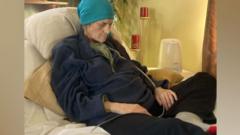
BBC investigation exposes dangerous deception: antiparasitic and scabies drugs sold as cancer treatments to vulnerable patients seeking hope and healing.
Dangerous Medical Deception Uncovered
A comprehensive BBC investigation has revealed a troubling scheme involving cancer treatments that are not what they claim to be. Antiparasitic and scabies medications are being aggressively marketed to desperately ill patients as legitimate cures for malignant tumors, exploiting their vulnerability and hope for recovery.
The exposure of these fraudulent cancer treatments represents a significant public health concern that demands immediate attention from regulatory authorities and medical professionals worldwide.
How the Scam Operates
Vulnerable individuals facing terminal diagnoses have been targeted by unscrupulous salespeople operating outside conventional medical channels. In one documented case, a terminally-ill patient received an unsolicited offer from an unexpected source: a stair lift salesman who claimed to possess medication capable of shrinking tumors and reversing malignant progression.
This scheme demonstrates the calculated exploitation of patients at their most desperate moments, when they are most susceptible to false promises of medical miracles.
The Nature of the Fraudulent Cancer Treatments
The medications being fraudulently promoted possess no proven efficacy against cancer. These are legitimate pharmaceutical products designed specifically for entirely different purposes—treating parasitic infections and managing scabies, a contagious skin condition caused by mites. Repackaging and misrepresenting these substances as cancer treatments constitutes serious medical fraud with potentially fatal consequences.
Patients abandoning legitimate oncology care in favor of these ineffective alternatives face accelerated disease progression and reduced survival rates.
Patient Vulnerability and Predatory Marketing
The targeting methodology reveals sophisticated understanding of patient psychology. When conventional medicine offers limited prognosis, terminal patients often become willing to pursue unproven alternatives. Predatory operators exploit this psychological desperation, positioning themselves as alternative healers possessing secret knowledge unavailable through mainstream healthcare systems.
The choice of distributor—a stair lift salesman rather than medical professionals—underscores the complete absence of legitimate medical credentials or oversight within this operation.
Regulatory Implications
This BBC investigation raises critical questions about pharmaceutical distribution oversight and patient protection mechanisms. Current regulatory frameworks may inadequately prevent non-medical personnel from marketing unapproved medications as cancer treatments. The incident demonstrates gaps in supply chain monitoring and enforcement against fraudulent medical claims.
Public Health Concerns
Beyond individual cases, widespread belief in these false cancer treatments could cause population-level harm. Patients delaying evidence-based oncology care in pursuit of ineffective medications experience worse outcomes. The financial burden of purchasing fraudulent treatments compounds the medical tragedy, forcing families into financial hardship while watching loved ones deteriorate.
Expert Response Required
Medical professionals, pharmaceutical regulators, and law enforcement agencies must coordinate immediate response. Educational campaigns targeting terminal-illness patients and their families could reduce vulnerability to such schemes. Stricter oversight of pharmaceutical distribution networks is essential to prevent unqualified individuals from accessing and marketing prescription medications.
The BBC investigation serves as critical documentation of an ongoing threat to patient safety and demonstrates the urgent need for enhanced regulatory vigilance in protecting vulnerable populations from medical fraud and predatory deception.


