NHS Recommends PMOS Screening for Women with Irregular Cycles
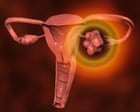
New NHS guidance advises screening up to 4 million women with irregular periods for PMOS, a condition affecting reproductive health and often underdiagnosed.
NHS Issues Fresh Guidance on PMOS Detection in Women
Health authorities have released updated recommendations emphasizing the importance of PMOS screening women who experience menstrual irregularities. According to the latest NHS guidance, approximately 4 million women across the United Kingdom should undergo comprehensive evaluation to identify polyendocrine metabolic ovarian syndrome, a condition that remains significantly underdiagnosed despite its prevalence in the female population.
The condition, formerly recognized as polycystic ovarian syndrome, represents a complex endocrine disorder that can have substantial implications for reproductive health, metabolic function, and overall quality of life. Healthcare professionals have long acknowledged gaps in recognition and management protocols, prompting these new standardized recommendations from Nice, the National Institute for Health and Care Excellence.
Understanding PMOS and Its Impact on Reproductive Health
Polyendocrine metabolic ovarian syndrome affects a substantial portion of women during their reproductive years. According to data from the World Health Organization, the condition impacts approximately 13% of all women of reproductive age globally, making it one of the most common endocrine disorders among this demographic. Despite these figures, many cases remain undetected or mismanaged, contributing to delayed diagnosis and suboptimal treatment outcomes.
The syndrome encompasses multiple physiological manifestations that extend beyond reproductive concerns. Women with PMOS frequently experience metabolic complications, including insulin resistance, weight management challenges, and increased risk for type 2 diabetes. Additionally, the condition may present with hormonal imbalances affecting skin health, hair growth patterns, and emotional wellbeing, underscoring its systemic nature.
Inconsistent Management and Diagnostic Challenges
Healthcare systems have historically struggled with standardized approaches to PMOS diagnosis and treatment. The inconsistent management identified by Nice reflects variations in clinical practice, insufficient healthcare provider training, and limited patient awareness regarding symptoms requiring medical evaluation. These gaps have resulted in many affected women remaining undiagnosed for years, potentially experiencing preventable complications.
Irregular menstrual patterns often serve as an initial indicator prompting further investigation. Women presenting with absent periods, excessively heavy bleeding, or unpredictable cycles should receive thorough assessment to rule out PMOS and other underlying conditions. Early identification enables timely intervention and implementation of appropriate management strategies tailored to individual patient needs.
New NHS Recommendations for Clinical Practice
The updated NHS guidance establishes clearer protocols for evaluating women with menstrual irregularities, ensuring more consistent diagnostic pathways across different healthcare settings. These recommendations aim to reduce diagnostic delays and improve access to appropriate specialist care when necessary. Healthcare providers are encouraged to take comprehensive patient histories, assess metabolic markers, and consider hormonal evaluations as part of standardized screening protocols.
The implementation of these guidelines represents a significant step toward addressing the underdiagnosis of polyendocrine metabolic ovarian syndrome. By establishing evidence-based assessment criteria, the NHS seeks to ensure that the millions of affected women receive timely identification and appropriate medical guidance. Standardized protocols also promote educational initiatives for both healthcare professionals and patients, enhancing overall awareness and understanding of the condition's implications.
Implications for Women's Healthcare
This guidance update carries important implications for women seeking medical care for menstrual health concerns. The emphasis on investigating irregular periods for PMOS signals a commitment to comprehensive reproductive health evaluation. Women experiencing persistent menstrual irregularities are encouraged to discuss screening options with their healthcare providers and advocate for thorough assessment when appropriate.
The focus on improved detection and management represents progress toward better health outcomes for millions of women. With clearer diagnostic pathways and standardized clinical protocols, the healthcare system can more effectively identify cases requiring intervention, provide appropriate treatment options, and support women in managing their health proactively throughout their reproductive years.