
Neurodivergent Festival Attendees: Coping Strategies & Support
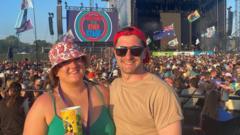
Discover how neurodivergent individuals navigate festivals with practical coping strategies, calm zones, and sensory support tools to enhance their experience.
Navigating Festival Environments for Neurodivergent Attendees
Participating in a festival as a neurodivergent person presents unique challenges that extend beyond typical event attendance. From overwhelming sensory stimulation to social demands, the neurodivergent festival experience requires thoughtful planning and access to supportive resources. Event organizers increasingly recognize these needs, with many implementing accommodations such as dedicated calm spaces and sensory-friendly amenities.
The Sensory Overload Challenge at Festivals
Festivals combine multiple sensory inputs—loud music, flashing lights, crowded spaces, and unpredictable scheduling—creating an intense environment for neurodivergent individuals. People with ADHD, autism, and other neurodivergent conditions often experience heightened sensory sensitivity, making standard festival experiences potentially exhausting or distressing. Understanding these challenges helps both attendees and organizers develop meaningful solutions.
Why Sensory Stimulation Affects Neurodivergent People Differently
The neurodivergent brain processes sensory information differently than neurotypical brains. What one person finds energizing, another might find completely overwhelming. Festival-goers with sensory sensitivities may experience fatigue more quickly, struggle with concentration in noisy environments, and need frequent breaks from stimulation to maintain comfort and safety.
Current Festival Accommodations Making a Difference
Progressive festivals have begun implementing evidence-based accommodations designed specifically for neurodivergent attendees. These initiatives demonstrate that inclusivity benefits all participants, not just those with identified neurodivergent conditions.
Designated Calm Spaces
Calm spaces represent one of the most effective festival accommodations. These quiet zones offer respite from constant stimulation, featuring reduced lighting, lower sound levels, and comfortable seating. Attendees can withdraw temporarily to reset their sensory systems before returning to festival activities. Many venues staff these areas with trained personnel who understand neurodiversity and can provide appropriate support.
Noise-Cancelling Technology and Hearing Protection
Several festivals now distribute noise-cancelling headphones or quality hearing protection devices to neurodivergent attendees. These tools allow individuals to enjoy performances while controlling sound exposure. Some festivals partner with sensory equipment providers to offer this technology at entry points, significantly enhancing accessibility.
Beyond Current Accommodations: Calls for Expanded Support
While existing measures represent meaningful progress, disability advocates and neurodivergent community members argue that festivals should expand their accessibility offerings. Current accommodations, though valuable, don't comprehensively address all neurodivergent needs.
What Additional Support Could Look Like
Enhanced festival accessibility might include advance scheduling information allowing attendees to plan their experience strategically, sensory-friendly performance times with modified lighting and sound levels, designated social spaces for those who experience social anxiety, and trained staff members positioned throughout venues to assist neurodivergent attendees. Some advocates suggest offering low-cost or free quiet tickets allowing multiple extended breaks within calm spaces.
Personal Strategies for Neurodivergent Festival Attendees
While waiting for broader systemic changes, neurodivergent individuals can employ proven strategies to manage festival environments more comfortably. These personalized approaches complement venue accommodations and empower attendees to self-advocate effectively.
Planning and Preparation
Strategic planning significantly improves festival experiences. Attendees should review event schedules beforehand, identify specific performances or areas of interest, map calm space locations, and establish break schedules. Arriving early allows exploration of venues in less crowded conditions and familiarization with facility layouts.
Building in Recovery Time
Neurodivergent people often require substantial recovery time after intensive social and sensory experiences. Rather than attending entire festivals continuously, attendees should plan shorter visits or spread attendance across multiple days. Incorporating quiet time between activities prevents excessive sensory buildup and extends overall enjoyment.
Communication and Self-Advocacy
Clearly communicating needs to friends, companions, and venue staff ensures appropriate support. Discussing triggers, preferred coping strategies, and exit plans before attending helps companions provide meaningful assistance. Wearing visible accessibility badges or requesting accommodations proactively improves service access.
The Broader Importance of Festival Accessibility
Inclusive festival design benefits everyone. Families with young children, elderly attendees, and people with various disabilities all benefit from calm spaces and sensory considerations. Creating welcoming environments for neurodivergent attendees expands festival participation and builds more compassionate communities.
As festivals continue evolving, the conversation surrounding neurodivergent accessibility must progress from basic accommodations toward comprehensive inclusion. Event organizers, disability advocates, and neurodivergent community members working collaboratively can transform festivals into truly accessible experiences where all participants thrive.


