
Netflix's Wonka Series Draws Controversy Over AI-Recreated Gene Wilder Performance
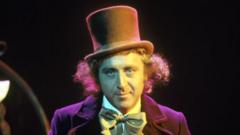
Netflix's Wonka series sparks debate after using AI-generated Gene Wilder voice. The late actor's estate approved the recreation for the streaming show.
Netflix's AI Voice Recreation Sparks Major Debate
A significant controversy has emerged surrounding Netflix's Wonka series, which features an AI-generated voice performance of Gene Wilder, the beloved actor who passed away in 2016. The decision to implement this artificial intelligence technology has ignited widespread discussion about the ethical implications and creative boundaries of using AI-generated voices in modern entertainment productions. This innovative yet contentious approach marks a notable milestone in how streaming platforms navigate posthumous performances and digital innovation.
The Estate's Approval and Consent
Despite the backlash, the Gene Wilder estate granted permission for the AI-generated voice to be used throughout the Netflix series. This contractual agreement between Netflix and the family representatives demonstrates how estates are adapting to emerging technologies in the entertainment industry. The consent was given with the understanding that the recreated performance would honor the actor's iconic legacy while exploring new creative possibilities through artificial intelligence technology.
Understanding the AI-Generated Voice Technology
The AI-generated voice used in the Wonka series represents a significant advancement in digital audio synthesis. This technology analyzes and replicates vocal patterns, tone, and mannerisms to create authentic-sounding performances. The artificial intelligence system processes extensive audio data to ensure the recreated voice maintains the distinctive characteristics that made Gene Wilder's performances instantly recognizable to audiences worldwide. Such technological implementations raise important questions about intellectual property rights and the future of entertainment production.
Public Response and Industry Implications
The public reaction to Netflix's use of AI-generated voice has been mixed, with critics expressing concerns about authenticity and the broader implications for the entertainment industry. Some viewers appreciate the innovative approach to streaming content, while others question whether artificial intelligence should be used to recreate performances of deceased actors. This debate reflects larger conversations happening within Hollywood about the role of emerging technologies in content creation and performer representation.
The Future of AI in Entertainment
Netflix's decision to incorporate the AI-generated voice in their Wonka series sets a precedent for how streaming platforms might utilize artificial intelligence technology in future productions. The controversy surrounding this choice demonstrates that audiences remain divided on whether technological recreation of deceased performers respects their artistic legacy or exploits it for commercial purposes. As AI technology continues advancing, entertainment companies will face increasing pressure to establish clear ethical guidelines for using artificial intelligence in posthumous performances.
Gene Wilder's Legacy and Digital Innovation
Gene Wilder's contributions to cinema remain invaluable, particularly his iconic portrayal of Willy Wonka in the original film adaptation. The decision to recreate his voice through artificial intelligence technology shows how his legacy continues influencing entertainment production decades after his passing. However, this approach also highlights the tension between preserving an actor's memory and embracing new technological possibilities in streaming content creation.
Conclusion: Navigating Technology and Respect
Netflix's Wonka series demonstrates both the possibilities and challenges of incorporating AI-generated voices into mainstream entertainment. While the estate's consent provides legal validity, the broader public conversation reveals ongoing concerns about whether such technological recreation honors performers or commodifies their talent. As streaming platforms continue experimenting with artificial intelligence in content production, industry stakeholders must establish clearer standards for respectfully implementing these technologies while maintaining authentic creative expression.


