
Mona Khalil, Lebanese Conservationist, Dies in Israeli Strike
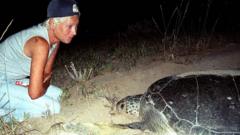
Lebanese turtle conservationist Mona Khalil killed by Israeli strike while protecting the beach she dedicated years to safeguarding. Read the full story.
Lebanese Conservationist Dies in Israeli Strike
A prominent Lebanese conservationist dedicated to turtle protection and beach preservation lost her life following an Israeli military strike. Mona Khalil, whose commitment to environmental conservation had made her a recognized figure in regional wildlife protection efforts, sustained fatal injuries during the incident. The death of this passionate environmental advocate has drawn international attention to the ongoing challenges facing conservation workers in conflict-affected regions.
Commitment to Beach Protection
Throughout her career, Khalil had demonstrated unwavering dedication to the coastal ecosystems under her care. The Lebanese conservationist spent countless years establishing and maintaining protection programs for marine life, particularly focusing on turtle nesting areas along vulnerable shorelines. Her work represented a significant contribution to biodiversity preservation in the Mediterranean region, where sea turtle populations face numerous threats from human activities and environmental degradation.
Despite escalating security concerns in her area, she made the deliberate choice to remain at the beach location she had worked so diligently to protect. This decision reflected her deep commitment to the conservation mission she had undertaken. Colleagues and fellow environmental advocates described her as someone who prioritized the welfare of the marine ecosystems she served above personal safety considerations.
Impact of the Israeli Strike
The fatal Israeli strike occurred in an area where Khalil had been actively engaged in conservation work. Eyewitnesses and reports indicate that she sustained serious injuries from the military operation, injuries from which she subsequently succumbed. The circumstances surrounding the incident have raised questions about civilian safety in conflict zones and the particular vulnerabilities faced by environmental professionals working in affected regions.
Recognition of Conservation Work
Khalil's tenure as a Lebanese conservationist had earned her respect within international environmental circles. Her research and practical conservation initiatives contributed valuable knowledge about turtle behavior, nesting patterns, and habitat requirements. Marine biologists and conservation organizations acknowledged her role in advancing understanding of Mediterranean sea turtle populations and the environmental conditions necessary for their survival.
The protection programs she established served as models for other coastal communities seeking to balance human development with wildlife preservation. Her work demonstrated that meaningful conservation achievements were possible even in challenging political and environmental contexts. The beach ecosystems she protected represented irreplaceable natural resources with significant ecological value.
Broader Implications for Environmental Work
The death of this environmental advocate raises important questions about the safety of conservation professionals operating in conflict-affected areas. International conservation organizations have previously documented the particular risks faced by environmental workers in regions experiencing military tensions or active conflict. These risks include direct physical danger, disruption of long-term conservation programs, and loss of institutional knowledge when experienced professionals are killed or forced to relocate.
Khalil's commitment to remaining at her post, despite recognizing potential hazards, exemplifies the dedication that characterizes many conservation professionals worldwide. Yet her death also underscores the tragic consequences that can result when environmental work intersects with military operations and regional conflicts. The incident serves as a sobering reminder of the complex challenges facing those dedicated to protecting natural environments in geopolitically sensitive areas.
Legacy and Continued Importance of Conservation
The Lebanese conservationist's passing represents a significant loss to regional environmental efforts. Her knowledge, experience, and passion for marine ecosystem protection cannot be easily replaced. Conservation organizations and environmental advocates continue efforts to advance the protective programs she helped establish, working to ensure that her contributions to biodiversity preservation endure beyond her lifetime.
The marine habitats she fought to protect remain critically important for maintaining healthy sea turtle populations and supporting broader coastal ecosystem functions. Continued commitment to these conservation goals represents an appropriate tribute to her memory and a recognition of the essential work she undertook throughout her career devoted to environmental protection and species preservation.


