
M25 Motorway Gridlock: Heat Emergency Sends Dozens to Hospital
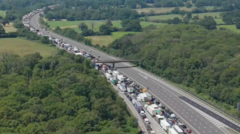
Extreme heat conditions on M25 caused traffic chaos and multiple heat-related medical emergencies. Ambulance services struggled to reach affected patients durin...
Major Traffic Disruption on M25 During Heat Alert
An unprecedented M25 heat emergency unfolded as thousands of motorists found themselves stranded during dangerously high temperatures. Emergency responders faced significant challenges navigating gridlocked traffic while attending to multiple casualties affected by the extreme weather conditions. The incident highlighted the vulnerability of Britain's busiest motorway during severe heat events.
Heat-Related Medical Emergencies Overwhelm Services
Paramedics and ambulance crews reported extraordinary difficulty reaching patients who were experiencing various heat-related illnesses across the congested stretch of the M25. The combination of stalled vehicles, stationary traffic, and soaring temperatures created a perfect storm for medical emergencies. Several individuals required immediate hospitalization after suffering symptoms ranging from heat exhaustion to heat stroke.
Challenges Faced by Emergency Responders
The ambulance service disclosed that reaching affected patients presented unprecedented operational challenges. Traffic congestion severely hampered response times, with emergency vehicles unable to navigate through the densely packed lanes. Crews struggled to provide timely assistance to vulnerable individuals trapped in overheating vehicles, compounding the severity of their medical conditions.
Patient Transport to Hospital Facilities
Multiple casualties required emergency transport to nearby hospital facilities for comprehensive medical treatment. Healthcare providers activated additional resources to accommodate the influx of heat-related admissions. Medical staff worked to stabilize patients suffering from various heat-induced complications while managing the broader implications of the M25 heat emergency on hospital capacity.
Contributing Factors to the Incident
Extreme ambient temperatures created hazardous conditions that overwhelmed both vehicles and human physiology. The extended duration of traffic delays meant that motorists remained exposed to dangerous heat for prolonged periods. Air conditioning systems in many vehicles became inadequate, leading to rapid deterioration of passenger health status. The timing of the M25 heat emergency coincided with peak travel hours, intensifying congestion and limiting escape routes.
Impact on Transportation Networks
The incident demonstrated how extreme weather events can compromise critical transportation infrastructure. The M25, serving as a vital arterial route for London and surrounding regions, became virtually impassable during the heat crisis. Commuters and travelers faced hours of delays, while essential services struggled to maintain operations during the emergency.
Lessons for Future Preparedness
This M25 heat emergency underscores the necessity for improved contingency planning during extreme weather conditions. Transportation authorities and emergency services must develop enhanced protocols for managing simultaneous medical emergencies across major motorway networks. Investment in better communication systems and resource coordination could substantially improve response capabilities during future heat events.
Heat Alert Warnings and Public Safety
Meteorological authorities had issued official heat alert notifications prior to the incident, yet motorists continued traveling during dangerous conditions. Public awareness campaigns about heat dangers during peak summer months remain critical. Educational initiatives should emphasize the importance of avoiding unnecessary travel during extreme temperature warnings.
The M25 heat emergency serves as a stark reminder of climate-related challenges facing modern infrastructure and emergency services. Continued monitoring of weather patterns and proactive communication strategies will be essential for protecting public safety during future environmental crises.


